


Introduction — Understanding Seville’s transport to make the most of your time
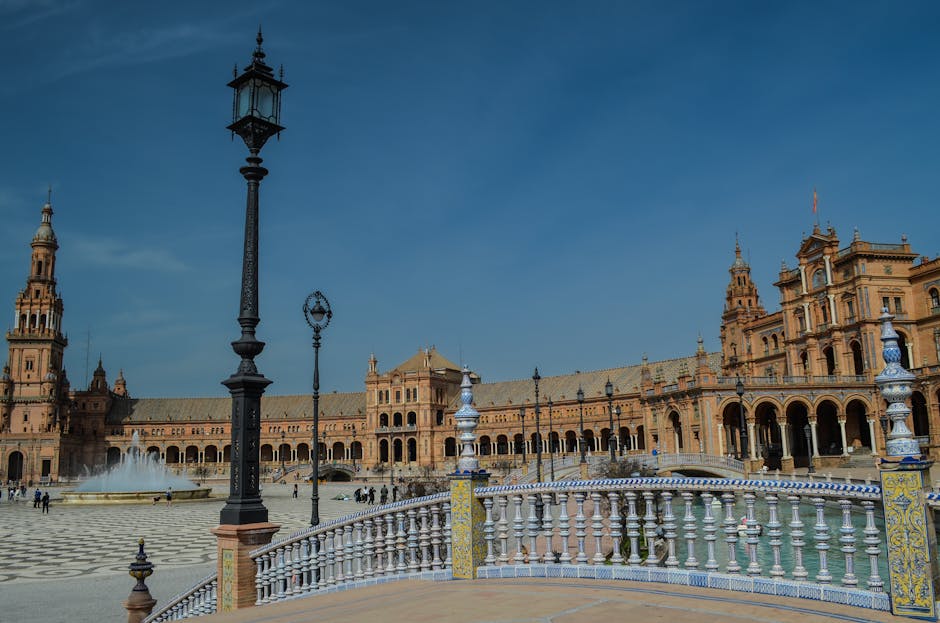
Seville, the capital of Andalusia, blends history and modern life around every corner: winding lanes of the Barrio de Santa Cruz, the sweeping Plaza de España, the Guadalquivir waterfront and busy shopping avenues. For visitors, knowing your transport options — tram, taxi and rideshare services (VTCs: Cabify, Uber or local alternatives) — is essential to save time, control costs and get the most out of each day. This practical guide explains exactly how to move between key spots, what it costs, typical schedules, where to catch each mode and how to optimize routes by time of day and day of the week.
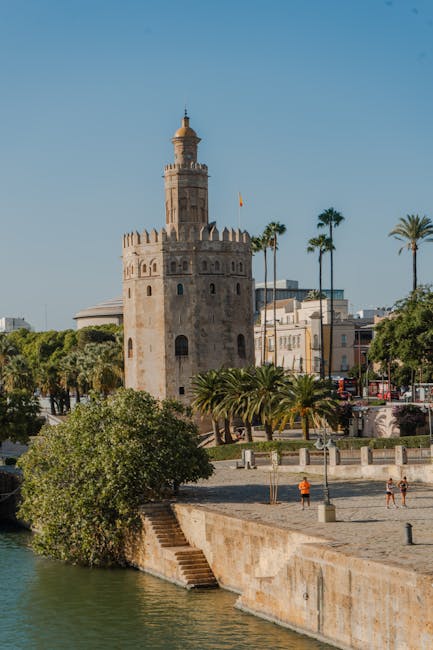
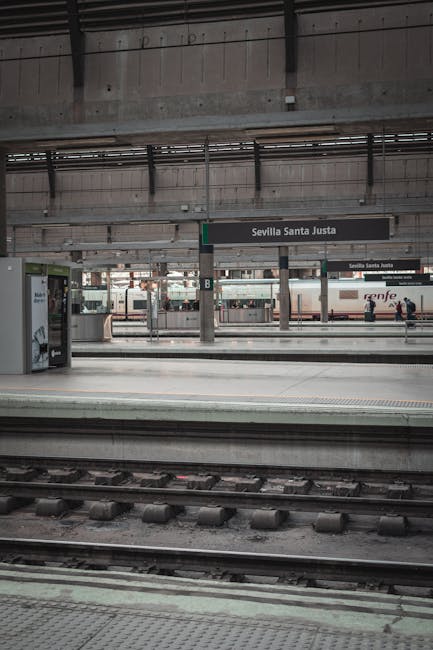
We cover the main MetroCentro tram stops, official taxi fares and rules, rideshare specifics and apps, plus concrete routes between major tourist points: Sevilla-Santa Justa train station (Avenida Kansas City, s/n, 41007 Sevilla), Plaza Nueva (Plaza Nueva, 41001 Sevilla), the Real Alcázar (Patio de Banderas, s/n, 41004 Sevilla), Torre del Oro (Paseo de Cristóbal Colón, 2, 41001 Sevilla) and Plaza de Armas (Avenida de la Constitución / Plaza de Armas). You’ll get exact addresses, usual operating windows, indicative euro prices and local tips to avoid wasting time during busy periods (midday, siesta, late night).
This guide is practical: it includes price estimates (with notes on possible variations), realistic travel times depending on traffic, and hands-on tips like where to wait for a reliable taxi, how to spot a legitimate rideshare pickup, and when walking beats all motorized options in the historic core. We also describe the real-life experience — waiting at a tram stop, traffic jams around Avenida de la Constitución, taxi signage, and using apps to book a rideshare near Plaza de Armas or Santa Justa.
By the end of this guide you’ll be able to plan your Seville days efficiently — for instance a morning route: Sevilla-Santa Justa → Real Alcázar, or getting back late after a flamenco show: Alameda de Hércules → Plaza de la Encarnación. You’ll also find local safety tips, cash vs card payment pointers, and recommended time windows to minimize waiting and cost. Whether you’re on a business trip, a romantic weekend or a cultural break, this guide will help you master mobility in Seville and spend more time where it counts: enjoying the city.
1) The MetroCentro tram: route, hours, fares and how to use it
Seville’s tram line, locally called the MetroCentro, is a short but very useful urban route for getting around the historic center. The main line links Plaza Nueva (Plaza Nueva, 41001 Sevilla) with San Bernardo station and stops at strategic points like Puerta de Jerez and Plaza de la Magdalena. It’s ideal if you want to avoid a long walk after visiting the Real Alcázar (Patio de Banderas, s/n, 41004 Sevilla) or to quickly connect to Sevilla-Santa Justa train station (Avenida Kansas City, s/n, 41007 Sevilla) when transferring to other transport.
Typical hours: MetroCentro generally runs from about 06:30 to 23:00 on weekdays, with frequencies of around 8–12 minutes during peak times (morning and late afternoon). Service can be reduced on Sundays and public holidays; expect intervals closer to 12–20 minutes. Timetables may change during demonstrations or major public events (Semana Santa, Feria de Abril).
Fares: a single journey typically costs about €1.40–€1.50 per person (indicative 2024 rates). There are combined tickets with Tussam buses and multi-journey cards depending on your stay length. Buy tickets from machines at tram stops or sometimes directly from a conductor; machines accept cash or card depending on the unit. Keep your ticket during the ride — random inspections happen and fines apply if you can’t show a valid ticket.
- Main useful stops: Plaza Nueva (Plaza Nueva, 41001 Sevilla), Puerta de Jerez (Paseo de Cristóbal Colón, 41001 Sevilla), Prado de San Sebastián (Avenida de Roma, s/n, 41013 Sevilla), San Bernardo (C/ San Fco. Javier, s/n, 41018 Sevilla).
- Accessibility: low-floor trams for wheelchair access, easy boarding for strollers and luggage.
- Local tip: avoid taking the tram between 13:00 and 15:30 in summer if you have heavy luggage or want a guaranteed seat; buses or taxis can be faster at certain times.
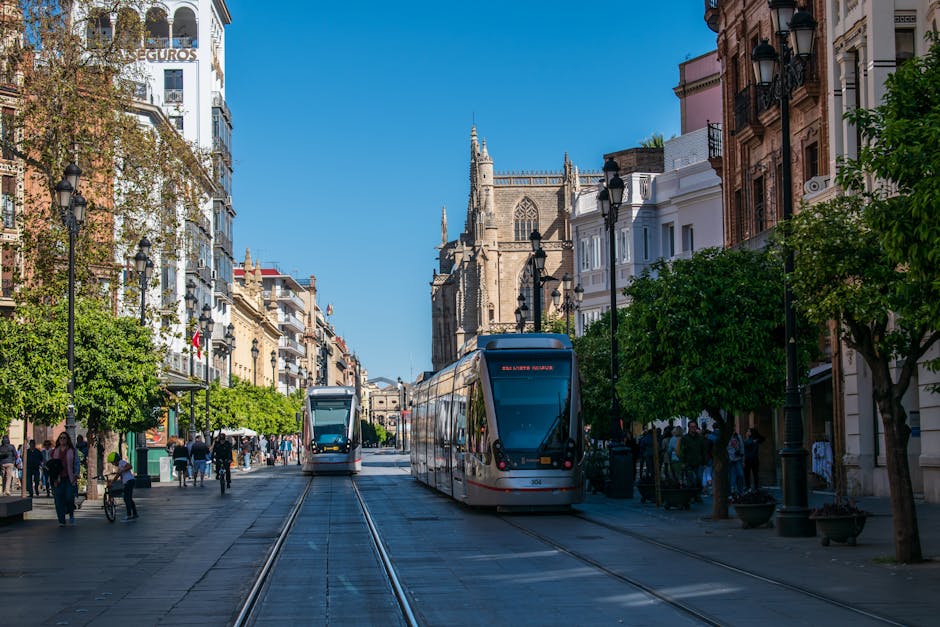
Practical use: getting from Sevilla-Santa Justa station to the historic center by tram often involves a transfer or a walk from San Bernardo, so many travelers find a direct taxi easier (see taxi section). For short hops inside the historic core (Plaza Nueva ↔ Torre del Oro ↔ Archivo de Indias), the tram is cheap and quick, especially when road traffic is heavy.
2) Taxis in Seville: where to catch them, official fares and time-saving tips
Official Seville taxis are easy to spot: white cars with a green stripe and the « Taxi Sevilla » logo. They operate 24/7 with main ranks near tourist hubs and transport hubs. Well-known taxi stands include: Plaza Nueva (Plaza Nueva, 41001 Sevilla), Plaza de la Encarnación (Plaza de la Encarnación, 41003 Sevilla) by the Setas, and Sevilla-Santa Justa station (Avenida Kansas City, s/n, 41007 Sevilla) which has a large forecourt where taxis queue.
Indicative fares (subject to official changes): base fare ≈ €3.50–€4.00; per-kilometre ≈ €1.05–€1.20; night (00:00–06:00) and weekend rates typically +20–30%. Extras: airport pickup fee (San Pablo Airport, Av. de Kansas City, s/n) ≈ €3.00–€4.00; transporting pets or oversized luggage may add a small surcharge. Typical trips: Sevilla-Santa Justa → Plaza Nueva costs around €10–€14 depending on traffic and luggage; Sevilla-Santa Justa → Seville Airport ≈ €18–€25.
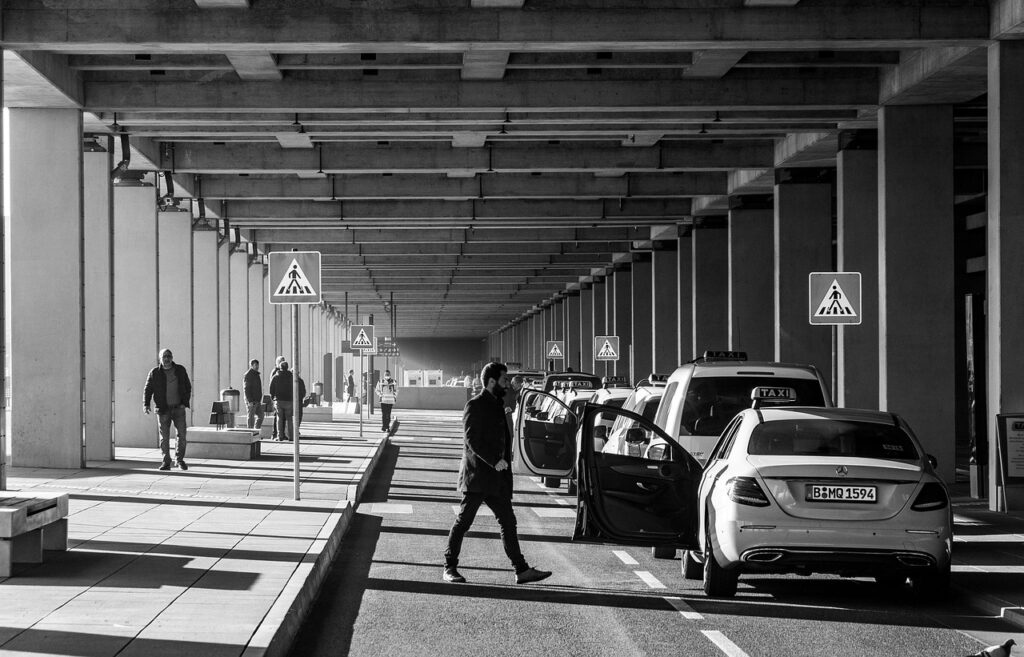
How they operate and tips:
- Hailing locally: official ranks are reliable and quick, especially at Santa Justa and in front of the Real Alcázar (Patio de Banderas, s/n, 41004 Sevilla).
- Phone and apps: there are local taxi booking centers (central numbers like +34 954 50 78 00 or similar depending on the operator). You can call ahead to request a taxi at a specific time.
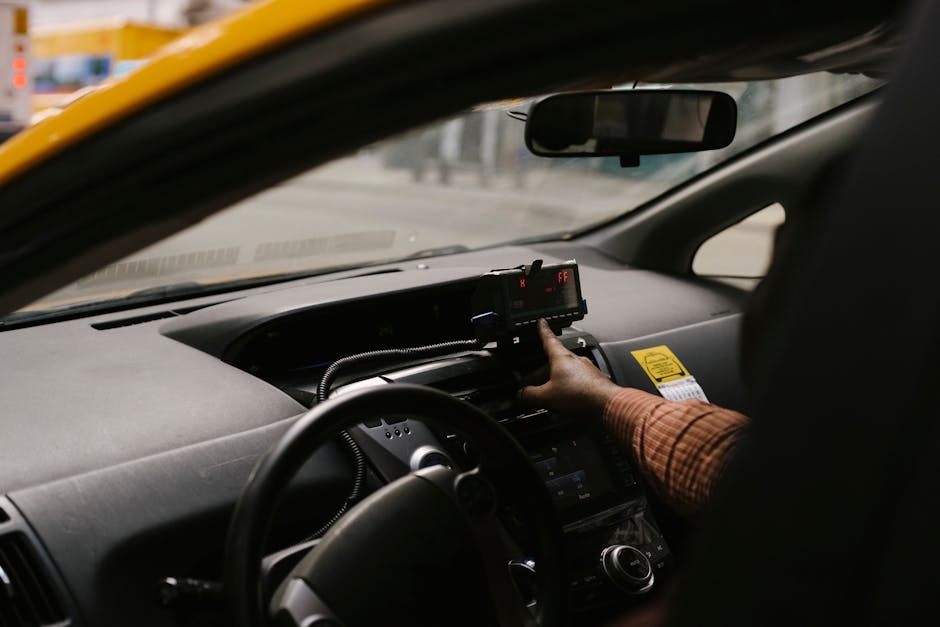
- Watch out for informal practices: avoid unmarked or unofficial private drivers, especially at night; prefer vehicles with a visible meter and a license sticker on the windscreen.
- Money-saving tip: during daytime, for short trips between close tourist sites (e.g. Plaza de la Encarnación ↔ Barrio de Santa Cruz), walking or the tram is often faster and cheaper than a taxi due to short distances and pedestrian zones.
Waiting times: during the day, waits at main ranks are usually 1–10 minutes; on lively nights (Alameda de Hércules, Triana) or during Feria de Abril waits can exceed 30 minutes. Booking through a central or an app reduces wait time. For late-night airport runs, book in advance to guarantee availability and a stable fare.
3) Rideshares (Uber, Cabify, local alternatives): booking, fares, safety and how they compare to taxis
Rideshare services have become a popular option in Seville thanks to app convenience and the ability to get a price estimate before you ride. Cabify is one of the most established services in Spain; Uber operates intermittently depending on local regulations — availability varies. Other local or regional apps may exist, sometimes offering competitive prices or premium vehicles.
How to book: download the app (Cabify, Uber, Free Now depending on what’s available), create an account, enter your pickup point (e.g. Plaza de Armas, Avenida de la Constitución, 41001 Sevilla) and your destination (e.g. Real Alcázar, Patio de Banderas, s/n, 41004 Sevilla). The app shows a fare estimate before you confirm. Payment methods: card via the app, sometimes PayPal; cash payments are rarely accepted.
Indicative fares: rideshare prices vary with supply and demand. For a short city-center trip (3–4 km) expect roughly €6–€12 in normal conditions. Between Sevilla-Santa Justa and the historic center (Plaza Nueva): ≈ €8–€15. Prices can surge during peak periods (morning 08:00–10:00, late afternoon 17:00–20:00), and during big events. Rideshares often offer a fixed estimate if you choose a standard service. Always compare apps and local taxis before confirming.
Safety and legality: official rideshare apps display driver and vehicle details: full name, photo, make/model and plate number. Check these before you get in. Unlike taxis, there’s no visible meter — the fare is calculated by the app based on distance and time. Disputes can be handled via the app’s customer service (keep the e-receipt). At official pickup points (e.g. Seville Airport, Terminal 1) follow the « VTC / Rideshare » signage since access to designated pickup zones may be regulated.

Taxi vs rideshare comparison:
- Taxis: cash or card payment, regulated fares, official ranks, 24/7 availability.
- Rideshares: app convenience, upfront price estimate, can be pricier during peaks, cashless payment through the app.
- Practical choice: for very late-night trips after midnight a taxi can be cheaper than a surge-priced rideshare; during daytime rideshares provide comfort and price transparency.
4) Concrete timing strategies between tram, taxi and rideshare for common tourist routes
Optimizing your travel in Seville means understanding theoretical travel times as well as traffic peaks and pedestrian areas. Here are typical routes with timing recommendations, approximate costs and practical tips to save time.
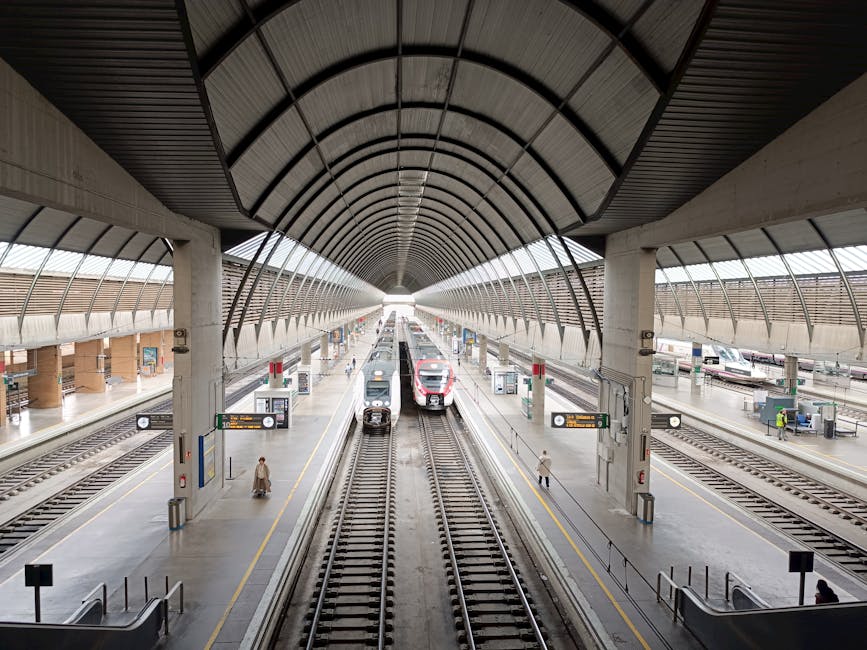
1) Sevilla-Santa Justa (Avenida Kansas City, s/n, 41007 Sevilla) → Real Alcázar (Patio de Banderas, s/n, 41004 Sevilla)
- Taxi option: €12–€16; 12–20 minutes depending on traffic. Immediate pickup outside the station. Recommended if you have luggage or arrive outside tram operating hours.
- Rideshare option: €10–€18 (estimate); similar duration. Book via app when you exit the station. Check the authorised rideshare pickup point at Santa Justa.
- Tram + walk option: take a taxi or bus to San Bernardo, then MetroCentro to Puerta de Jerez and walk 10–15 minutes; combined cost ≈ €4–€6 and duration 25–40 minutes. Good if time isn’t tight and you want to soak up the city.
2) Plaza Nueva (Plaza Nueva, 41001 Sevilla) → Torre del Oro (Paseo de Cristóbal Colón, 2, 41001 Sevilla)
- Tram option: MetroCentro (if the line serves your specific stop) or walk along Paseo de Colón — travel time 10–20 minutes; tram ticket ≈ €1.40 or sometimes free depending on promotions/line.
- Taxi/Rideshare option: €6–€10; 6–12 minutes depending on traffic (commonly congested between 13:00–15:00 and evenings).
- Local tip: a stroll along the Guadalquivir is often more pleasant and can be faster in high season than hunting for a taxi among the crowds.

3) Alameda de Hércules → Plaza de la Encarnación (Setas de Sevilla, Plaza de la Encarnación, 41003 Sevilla)
- Taxi/Rideshare option: €6–€11; 8–15 minutes.
- Indirect tram option: combine walking and bus; time ≈ 20–30 minutes, cost ≈ €1.40.
- Tip: in the evening (after 22:00) booking a rideshare via app reduces waiting time; on market mornings (weekend mornings) avoid taxis around the Encarnación as parking and pick-up are tricky.
General timing rules:
- Morning (07:30–10:00): traffic usually flows well; trams and buses are busy; prefer a rideshare/taxi if you’re in a hurry.
- Midday / Siesta (13:00–16:00): less traffic though some shops close; the tram is handy, taxis are less in demand except in tourist areas.
- Late afternoon (17:00–20:00): rush hour — add roughly +30% to taxi travel times; rideshare prices may surge.
- Evening / Night (22:00–03:00): availability varies; official taxis are reliable; use rideshares if the app shows availability and a fair fixed price.
Conclusion — Pick the right mode for your schedule and travel style
Seville is best explored on foot, by tram, taxi or rideshare depending on time of day, distance and comfort needs. The MetroCentro is perfect for short, inexpensive hops inside the historic core (≈ €1.40), making it easy to link squares and dodge heavy car traffic. Official taxis provide a reliable 24/7 option with regulated fares (base ≈ €3.50–€4.00 and ≈ €1.05–€1.20 per km), great for station and airport transfers or travelers with luggage. Rideshares (Cabify, Uber where available) bring app convenience and upfront pricing — often beneficial during daytime but prone to surges during peak demand.
To make the most of your time in Seville: plan longer transfers outside rush hours, use the tram for short central trips, book a taxi or rideshare ahead for airport transfers or morning departures, and walk as much as you can in Barrio de Santa Cruz and along the Guadalquivir to soak up the atmosphere. Always check real-time schedules and current fares before you travel — the prices here are indicative and subject to change — and keep mobility apps (Tussam, Cabify, Uber) and local taxi numbers on hand for extra security.

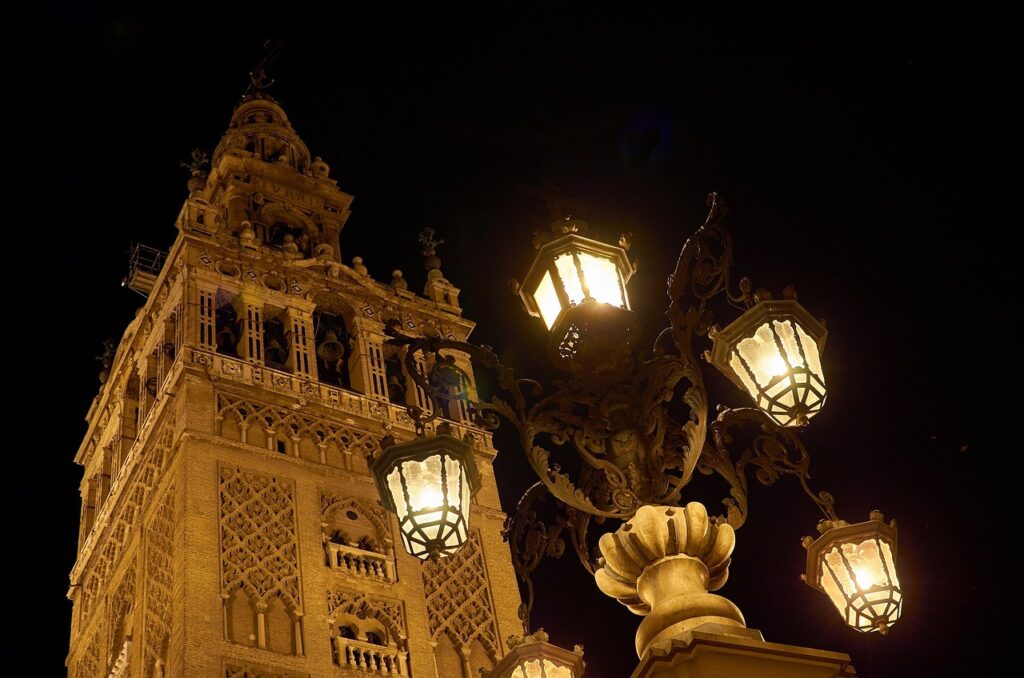
Follow these practical tips — know the key stops (Plaza Nueva, Puerta de Jerez, Sevilla-Santa Justa), use the tram for central hops, choose taxi or rideshare based on time and budget — and you’ll squeeze more out of every minute in Seville. You’ll have more time for the views from the Giralda, fragrant lanes of Barrio de Santa Cruz, Triana’s tapas bars and Guadalquivir sunsets. Have a great trip and enjoy Seville, a city best discovered with good timing and the right transport choices.