


Introduction — First steps in Seville: why planning your time and routes matters
Seville, the capital of Andalusia, blends millennia of history, Mediterranean lifestyle, and a tourist density that can surprise first-time visitors. Between the Alcázar of Seville (Real Alcázar de Sevilla), Seville Cathedral (Catedral de Santa María de la Sede) and the shaded lanes of the Santa Cruz neighborhood, a little planning for time and routes will help you make the most of your visits without rushing. This article is a practical, detailed guide for first-timers: how long to allocate for each major site, how to get around the city (on foot, bus, metro, tram, taxi), exact addresses, up-to-date prices in euros based on common tourist norms, and sample daily schedules to better organize your days.
Seville is best explored on foot in the historic center because many sights are close to each other. Still, some outlying spots or journeys to the airport require public transport or a taxi. Knowing the EMT bus lines, Metro Line 1, the tram and the Cercanías RENFE services will save you time. This guide also offers realistic time estimates — for example, how long to plan for the Alcázar (2–3 hours), the Cathedral and Giralda (1.5–2 hours), Plaza de España and Parque de María Luisa (1–2 hours), or a covered market like Lonja del Barranco (45 minutes to 1 hour).
We include local tips to avoid queues, practical information such as opening hours and entry fees (listed in euros), and recommendations on pacing depending on whether your stay is one day, two to three days, or longer. You’ll also find time and travel benchmarks (walking, bus, tram, taxi) to help build a relaxed daily itinerary. Whether you love strolling, photographing Moorish architecture, or savoring tapas in a traditional bar, this guide helps you get the most out of Seville on your first visit.
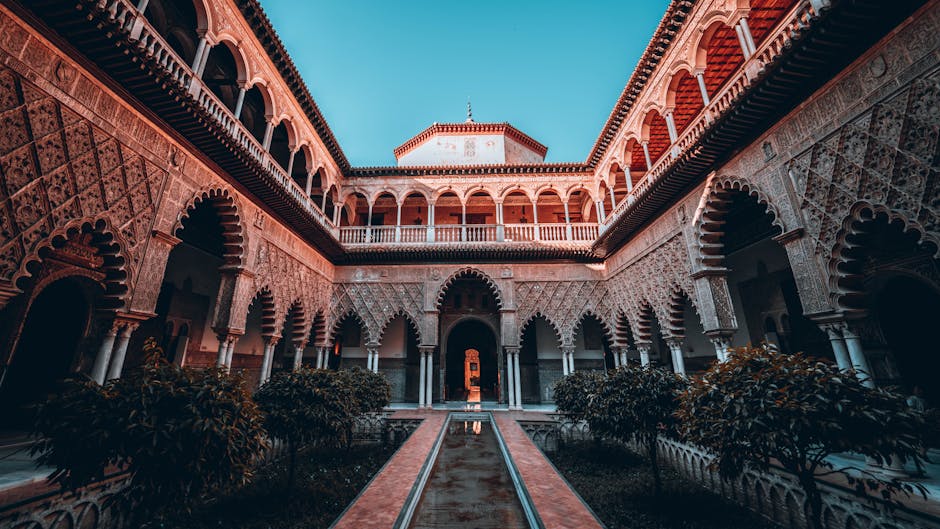
1) Recommended day plan for a first day (historic center)
Your first day in Seville should focus on the historic center where the must-see sights are clustered. Start early to beat the crowds and the summer heat. Sample itinerary:
- 9:00 — Alcázar of Seville (Real Alcázar de Sevilla): Patio de Banderas, s/n, 41004 Sevilla. Typical hours: 09:30–17:00 (changes in high season; check online). Indicative price: general ticket ~€13.50 if bought online, reduced rates for students/children. Recommended duration: 2 to 3 hours to explore palaces, courtyards and gardens.
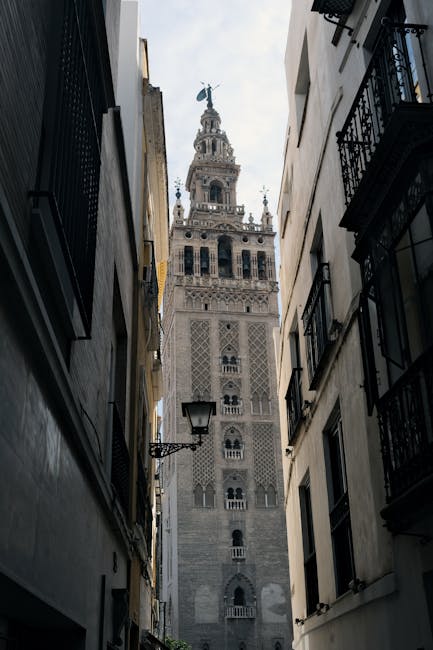
- 12:00 — Seville Cathedral and the Giralda (Catedral de Santa María de la Sede): Av. de la Constitución, s/n, 41004 Sevilla. Hours: 11:00–17:00 (variable; masses and religious services can restrict access). Price: around €12 for combined cathedral + Giralda ticket. Duration: 1.5 to 2 hours to see the nave, chapels and climb the Giralda for panoramic views.
- 14:00 — Lunch and wandering in the Santa Cruz neighborhood: narrow lanes, shaded squares. Suggestion: Restaurante El Rinconcillo (historic example) — Calle Gerona, 40, 41003 Sevilla (or pick a local tapas bar). Tapas prices: €2.50–€6 per plate. Duration: 1.5 hours.
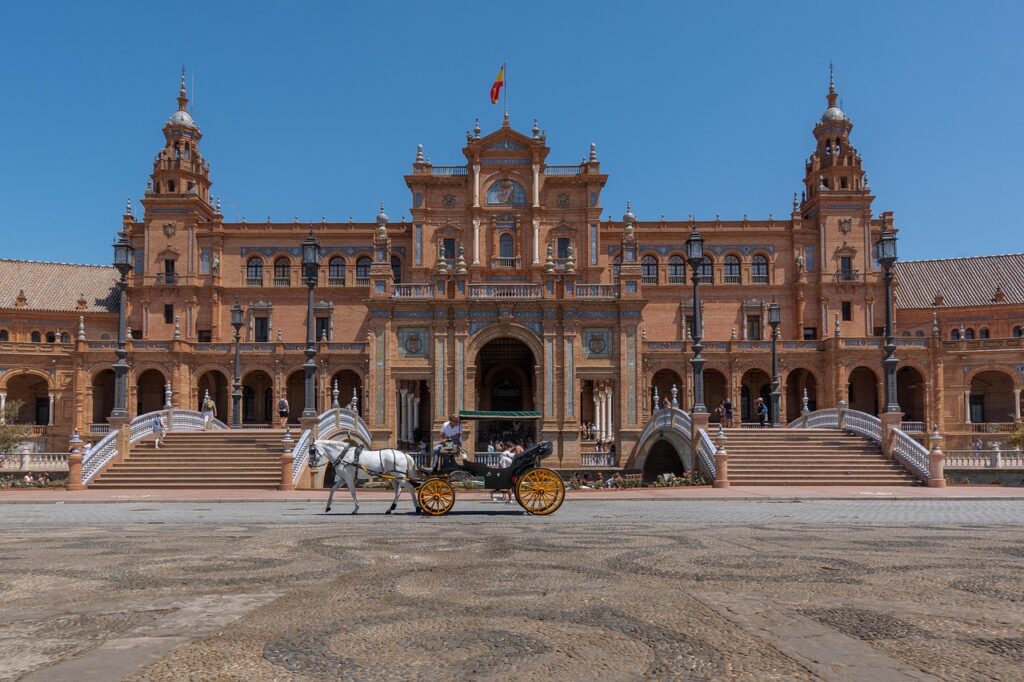
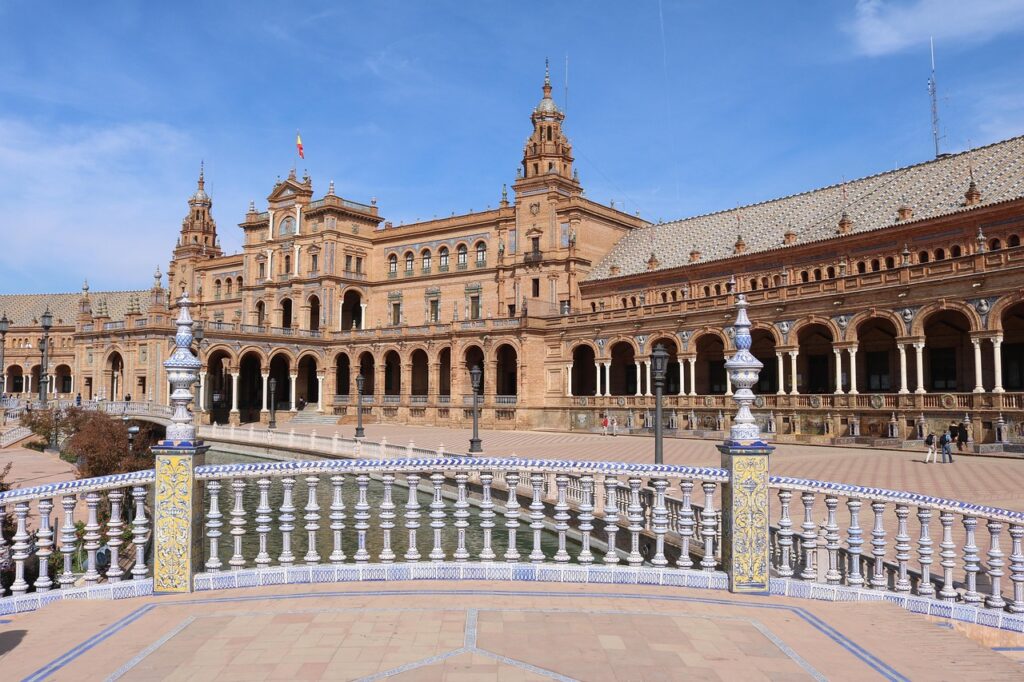
- 16:00 — Plaza de España and Parque de María Luisa: Parque de María Luisa, Av de Isabel la Católica, 41004 Sevilla. Free access. Duration: 1 to 2 hours to visit fully; boat rental possible (~€6–€12/30 min depending on season).
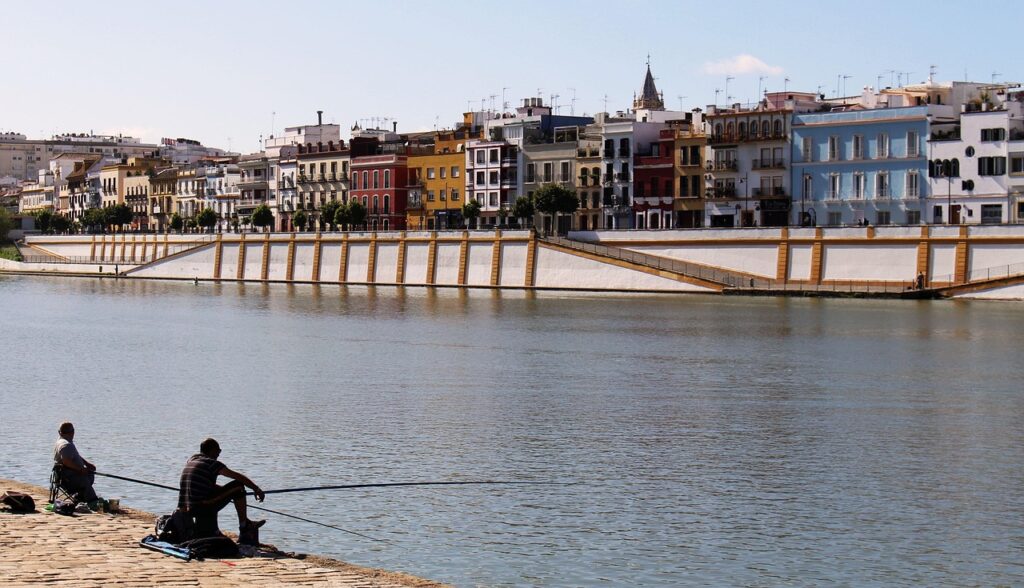
- 18:30 — Dinner and sunset in Triana: cross the Guadalquivir river toward the Triana neighborhood, Calle Betis and Mercado de Triana (Mercado de Triana, Calle San Jorge, 6, 41010 Sevilla). Market hours typically: 09:00–21:00 (variable). Tapas and riverside bars: dinner budget €15–€30 per person depending on choices.
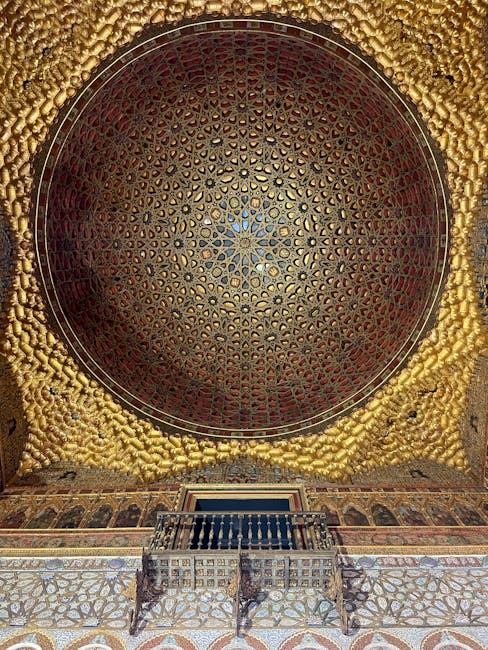
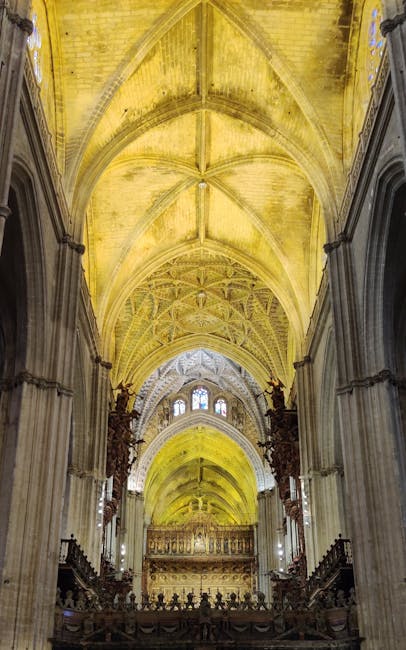
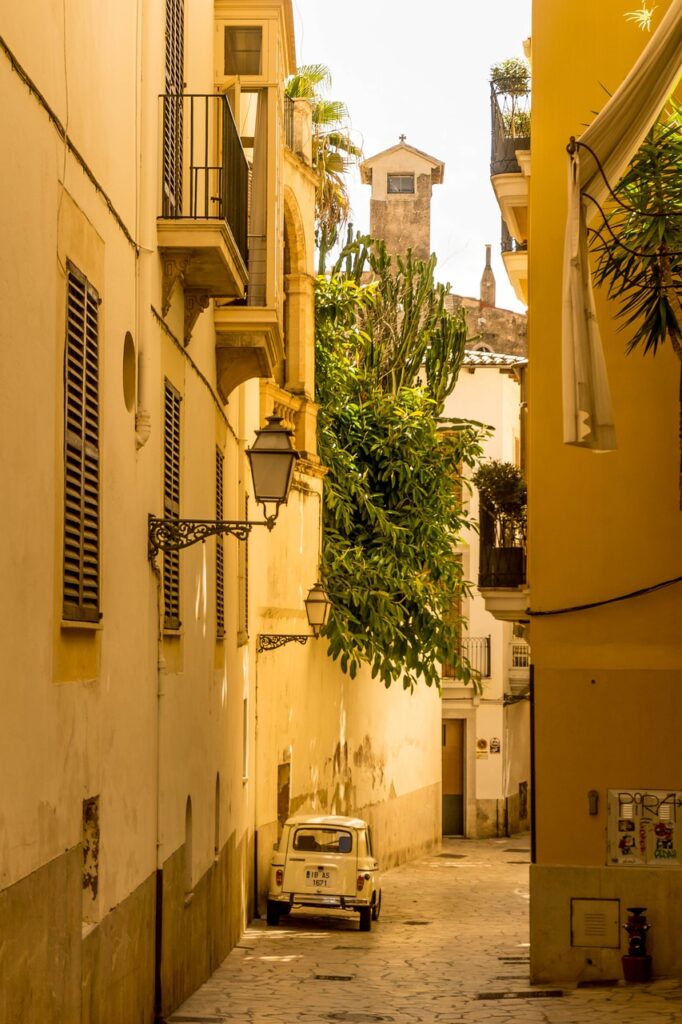
Practical tips: buy Alcázar and Cathedral tickets online in advance (official sites) to avoid long queues. Bring a water bottle and wear comfortable shoes — the center is best explored on foot. In summer, favor morning or late-afternoon visits to avoid peak heat.
2) Recommended durations per site and time budget for a 2–3 day stay
With 2–3 days you can dig deeper by adding museums, neighborhoods and food experiences. Here’s a sample plan with recommended durations and logistical tips:
- Alcázar of Seville: 2–3 hours. Address: Patio de Banderas, s/n, 41004 Sevilla. Price ~€13.50. Tip: book the first time slot at 09:30 to avoid the crowds.
- Cathedral and Giralda: 1.5–2 hours. Address: Av. de la Constitución, s/n, 41004 Sevilla. Price ~€12. Tip: check mass schedules; sometimes residents have free entry at specific times.
- Archivo General de Indias: 45–75 minutes. Address: Av. de la Constitución, s/n, 41004 Sevilla (adjacent to the Cathedral). Entry is generally free. Interesting collections for anyone curious about the history of the Americas.
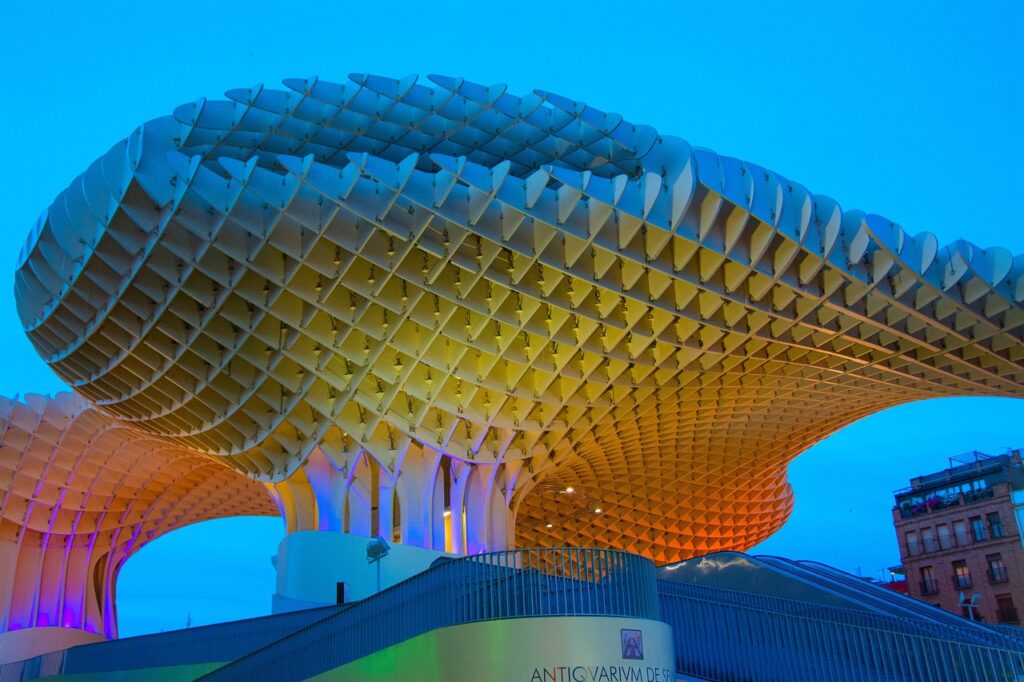
- Metropol Parasol / Las Setas: 45–60 minutes. Address: Plaza de la Encarnación, s/n, 41003 Sevilla. Walkway access fee ~€3. Hours: 10:00–23:00 (may vary). Offers a modern viewpoint over the city and a market below.
- Plaza de España and Parque de María Luisa: 1–2 hours. Free. Perfect for photos, relaxing and a boat ride. Be aware of busy afternoon periods.
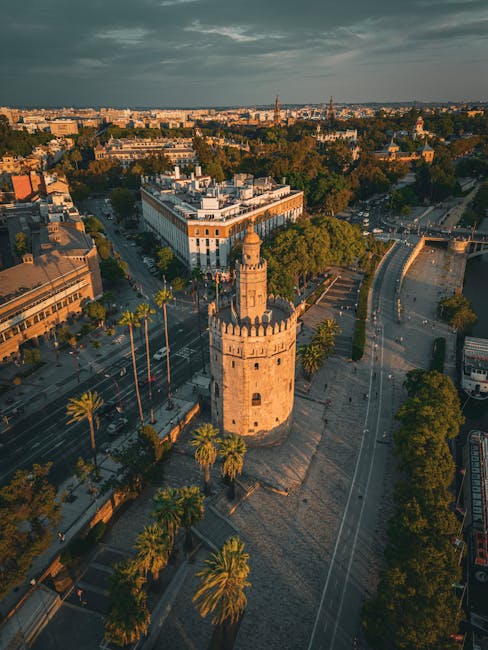
Transport between sites: most of the historic center can be walked. For Triana, the Torre del Oro (Paseo de Cristóbal Colón, s/n, 41001 Sevilla) or the Cartuja neighborhood, plan to use the tram / bus or a taxi. Indicative fares:
- EMT Sevilla bus: single ticket ~€1.40 (may vary). Purchase on board or via the EMT app.
- Metro (Line 1): €1.35–€1.50 depending on zones (or consider a tourist day pass).
- Taxis: pickup fee around €3.50 + €1.10–€1.20/km, airport surcharge ~€3–€4 depending on time.
- Airport bus (EA) from Plaza de Armas / Prado de San Sebastián: ~€4, line « EA » (company service), frequency every 20–40 minutes depending on schedule.
For two days, combine day 1 (historic center) with day 2 (Triana, Metropol Parasol, the Museum of Fine Arts – Museo de Bellas Artes de Sevilla, Paseo Catalina de Ribera, s/n, 41001 Sevilla, hours: 09:00–21:00, entry often free or reduced depending on exhibitions). For three days, add an excursion to the Cartuja (Isla de la Cartuja) or an evening flamenco show (tablao) — for example Casa de la Memoria (Calle Cuna, 6, 41004 Sevilla), shows from about €18–€30 depending on dinner options, typical times: 20:30–22:00.
3) Detailed transport, airport-center routes and money-saving tips
Getting to Seville and moving around once you’re here is straightforward if you know the options and costs. Here’s a detailed overview and practical tips to save time and money:
- From Seville Airport (Aeropuerto de Sevilla – SVQ): two main options into the city center:
- EA Bus (Especial Aeropuerto): serves Plaza de Armas and Prado de San Sebastián. Fare ~€4. Frequency every 20–30 minutes depending on schedule. Duration: 25–35 minutes depending on traffic.
- Metro Line 1: serves the city (station Aeropuerto). Fare around €4.50 for a single journey from the airport. Duration: 25–35 minutes to central stations (Puerta de Jerez / Prado de San Sebastián).
- Taxi: pickup fee ~€3.50 + per-kilometer rate (~€1.10/km). Trip: 15–25 minutes depending on traffic. Night and luggage surcharges may apply.
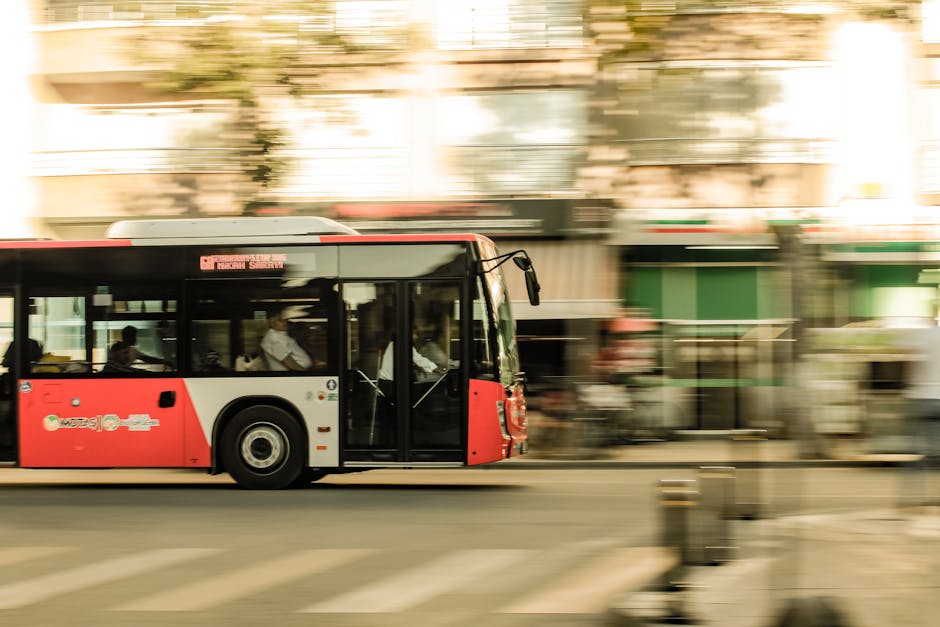
- Urban bus (EMT Sevilla): dense network covering center and outskirts. Single ticket ~€1.40, rechargeable cards and daily passes available. The EMT Sevilla app is useful for real-time routes and schedules.
- Metro (Metro de Sevilla): Line 1 runs north-south. Base fare ~€1.35–€1.50 (depending on zones). Typical hours: 06:30–23:30 (varies by day and maintenance).
- Tram and Cercanías RENFE: the tram serves local routes; suburban Cercanías trains link the city with nearby towns. Fares vary by zone.
- Taxis and ride-hailing (VTC): available 24/7. Official taxis have a green light and badge. Use official taxi ranks (usually at stations, airports and popular monuments). Estimate fare via an app or ask the driver for an estimate before starting.
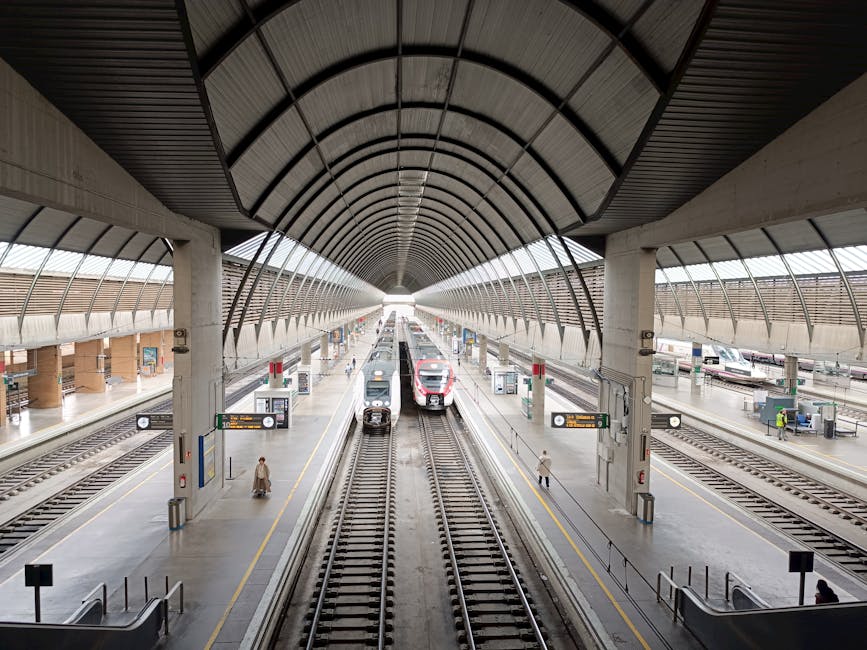
Local tip: favor walking in the old Eixample and Santa Cruz neighborhoods; bike lanes and bike-share services are handy for short hops. If you plan multiple bus/metro trips, check out day passes or travel cards that can cut the per-trip cost. Many attractions offer early- or late-entry (skip-the-line) tickets for a slightly higher price that save a lot of time in high season.
4) Local experiences, peak times and tips to make every minute count
Beyond the sights, Seville is lived through small moments: coffee on a shady square, an intimate flamenco show, a lively market, or a sunset drink along the Guadalquivir. Practical, concrete tips to maximize your stay:
- Flamenco show (tablao): several options to suit all budgets. Example: Casa de la Memoria, Calle Cuna, 6, 41004 Sevilla. Show times typically at 20:30 and 22:30. Prices: from €18 (basic entry) to €40–€60 (if dinner/tapas included). Tip: book online — small venues sell out fast for an intimate experience.
- Food markets: Mercado de Triana (Calle San Jorge, 6, 41010 Sevilla) and Lonja del Barranco (Paseo de Cristóbal Colón, 1, 41001 Sevilla) are perfect to taste local specialties. Hours: Lonja del Barranco often 10:00–00:00 (varies by day), Mercado de Triana 09:00–21:00. Tapas prices: €2.50–€6, drinks €1.50–€4.
- Peak times and seasons: in summer (June–September) heat pushes most visitors to go out early morning or late afternoon; midday is perfect for a siesta or a long lunch. During April (Feria de Abril) and Holy Week (Semana Santa) the city sees a massive influx of visitors and access to monuments can be restricted or rescheduled.
- Photo and visit tips: for iconic shots without crowds, visit Plaza de España at sunrise (around 07:00–08:00) or the Metropol Parasol walkway right after opening. For the best panorama from the Giralda, late afternoon provides golden light over the rooftops.
- Safety and local etiquette: Seville is generally safe, but watch out for pickpockets in very touristy areas and on public transport. Be respectful during religious services (dress modestly inside the Cathedral), and negotiate politely for prices with informal street vendors.

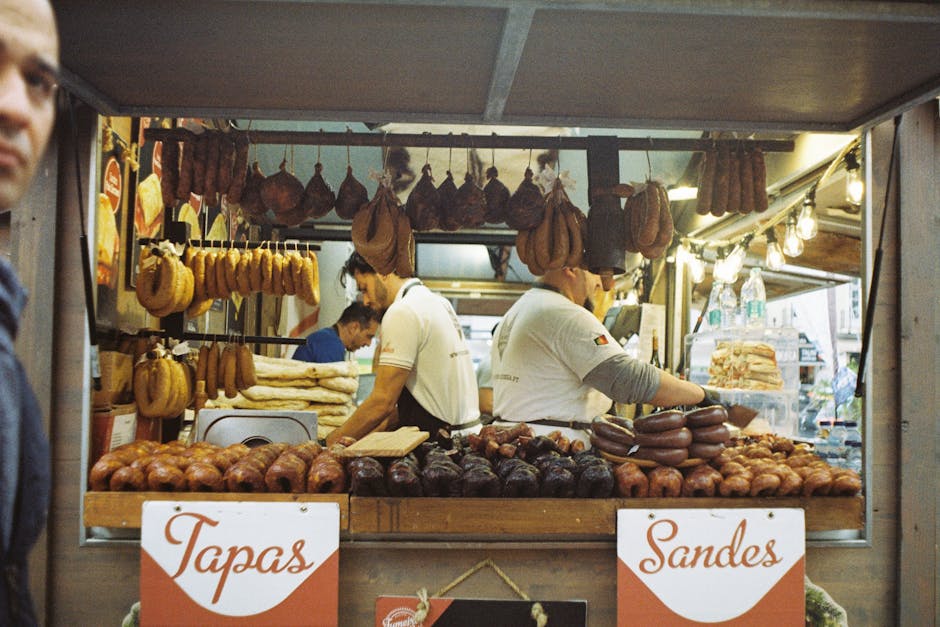
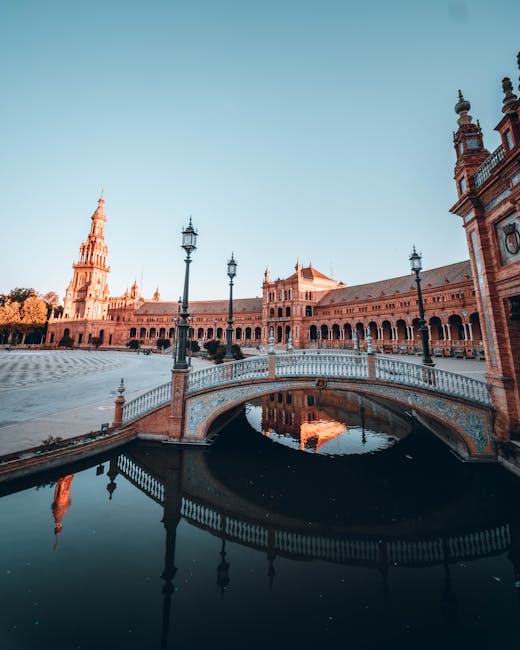
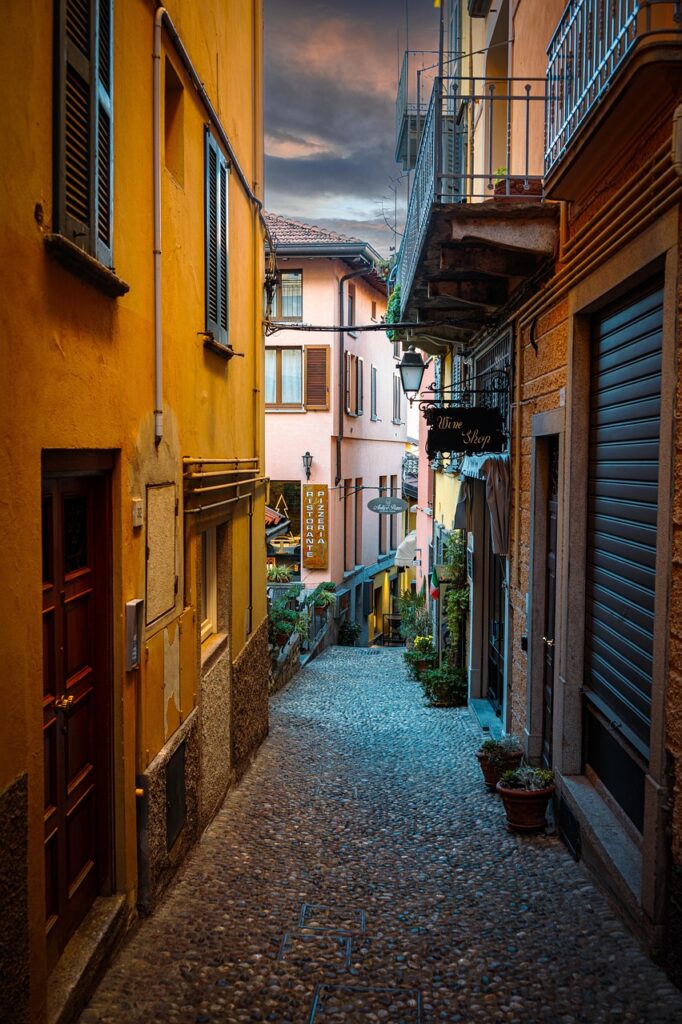
Finally, leave unplanned time: an hour to sit in a café, a street to explore without a goal. The best memories of Seville often come from unexpected moments — a square, a chat with a shopkeeper, or an artisan’s store down a side alley.
[[IMAGE:Seville rooftop view sunset orange rooftops]]
Quick practical info (addresses and hours recap)
- Real Alcázar de Sevilla — Patio de Banderas, s/n, 41004 Sevilla. Typical hours: 09:30–17:00 (variable). Price: ~€13.50 (online booking recommended).
- Catedral de Santa María de la Sede — Av. de la Constitución, s/n, 41004 Sevilla. Typical hours: 11:00–17:00. Price: ~€12 (cathedral + Giralda).
- Plaza de España — Parque de María Luisa, Av de Isabel la Católica, 41004 Sevilla. Free access. Boat rides: €6–€12/30min.
- Metropol Parasol (Setas de Sevilla) — Plaza de la Encarnación, s/n, 41003 Sevilla. Walkway €3, hours: 10:00–23:00.
- Mercado de Triana — Calle San Jorge, 6, 41010 Sevilla. Hours: ~09:00–21:00. Tapas: €2.50–€6.
- Torre del Oro — Paseo de Cristóbal Colón, s/n, 41001 Sevilla. Hours: variable, museum price ~€3.
- Casa de la Memoria (flamenco) — Calle Cuna, 6, 41004 Sevilla. Shows ~20:30, tickets €18–€40.
Conclusion — Plan your time to make the most of Seville
Seville offers a rich heritage, culture and gastronomy that deserve thoughtful planning, especially on a first visit. By concentrating your main visits in the historic center (Alcázar, Cathedral and Giralda, Archivo de Indias) on day one, then spreading other sites (Plaza de España, Metropol Parasol, Triana, markets) over days two and three, you’ll optimize your time without sacrificing the quality of the experience. Walking is often the fastest and most pleasant way to get around the heart of the city; for longer trips or airport transfers, use the EA bus, Metro Line 1 or a taxi depending on your budget and schedule.
Keep in mind the typical hours and prices listed in this guide, but always check official sources before you travel: opening times can change for local holidays (Semana Santa, Feria de Abril) and rates may be updated. Booking skip-the-line tickets for the Alcázar and the Cathedral will save you precious time, especially in high season. For a more authentic immersion, include a local market, an intimate flamenco show and leave free time to wander and discover quieter corners.
Finally, adapt the pace to your preferences: a slow, contemplative trip lets you savor the Andalusian atmosphere, while a tighter schedule suits visitors who want to tick off the highlights quickly. With these time benchmarks, exact addresses, fares and transit advice, you’re ready to approach Seville with confidence and make the most of your days in this vibrant, warm city.