


Introduction — Why base 48 hours in Seville by neighborhood
Seville is a compact city brimming with history, Andalusian charm and plenty to see — the perfect place for a short but intense two-day trip. Instead of rushing from one spot to the next without a clear plan, organizing your stay around a single neighborhood lets you dig deeper, soak up local rhythms, linger over a coffee on a terrace and catch the sunset from a chosen vantage point. This article lays out two practical 48-hour itineraries: one centered on the Centro / Casco Antiguo (the historic heart) and another focused on a more authentic, less monument-dense neighborhood — either Triana or La Macarena — depending on whether you crave traditional life, flamenco and local markets.
Each itinerary includes exact addresses, typical opening hours, approximate prices in euros, immersive descriptions and practical tips to make the most of your two days. You’ll also find recommendations for tasty stops, places to see authentic flamenco and ways to skip the lines at major sights. The opening times mentioned are the ones most commonly applied (and can vary by season): whenever possible, book online for big sites like the Real Alcázar of Seville or the Cathedral of Seville + Giralda to avoid losing hours in line.
Why two options? The Centro (Casco Antiguo) concentrates the city’s headline attractions: the Alcázar, the Cathedral, Santa Cruz and the Plaza de España within easy reach. By contrast, Triana and La Macarena offer a more neighborhood-based immersion: markets, ceramics workshops, tavern tapas, shaded little squares and less touristy flamenco venues. Depending on your travel style — “I want the must-sees” versus “I want to feel Seville” — one of these two plans will maximize your enjoyment over 48 hours.
This guide is paced realistically: mornings for major sites when the light is best and temperatures usually cooler, afternoons for wandering, breaks and smaller museums or shopping, and evenings for enjoying Andalusian food and a show or simply terrace life. At the end of the article you’ll also find local tips on where to eat, how to get around (metro, tram, bus, walking) and how to adapt the plan by season. Follow the day-by-day routes, take detours that interest you, and above all, leave time for the small unexpected discoveries that make Seville so magical.
1. Sample 2-day itinerary — Historic center (Casco Antiguo): monuments, gardens and tapas
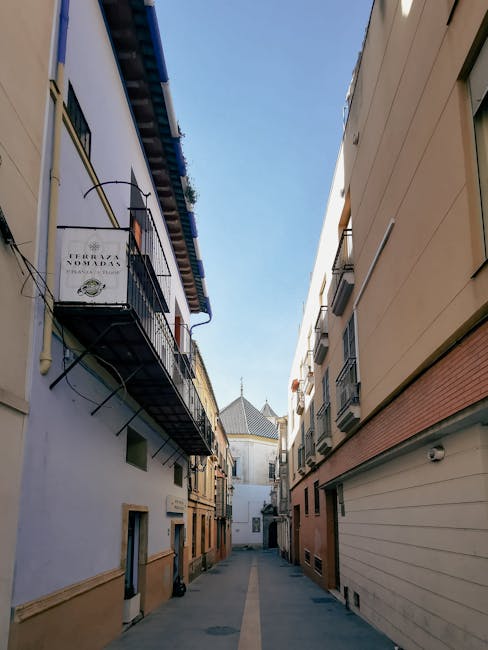
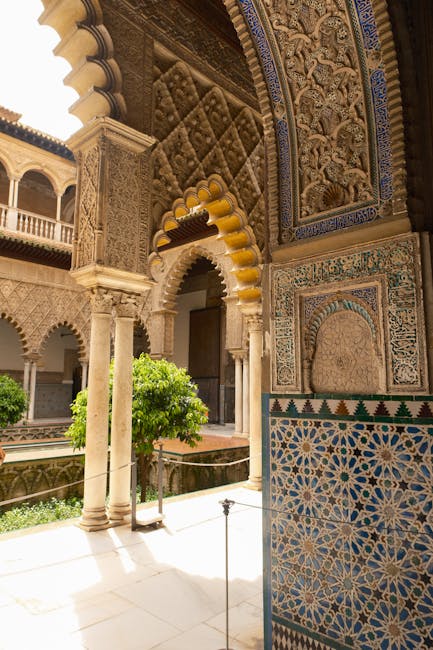
Day 1: start early in the Casco Antiguo to enjoy the main sights before the crowds arrive. First stop: the Real Alcázar of Seville (Plaza del Triunfo, s/n, 41004 Sevilla). Hours: typically 09:30–17:00 (seasonal variations; possibly closed on January 1 and December 25). Price: standard ticket around €13.50 (online booking recommended; reduced rates for youth and seniors). What to expect: a Mudejar palace with ornate patios, colorful azulejos and lush gardens — linger at the Patio de las Doncellas, the Salón de Embajadores and wander the terraced gardens that face the Archivo de Indias.
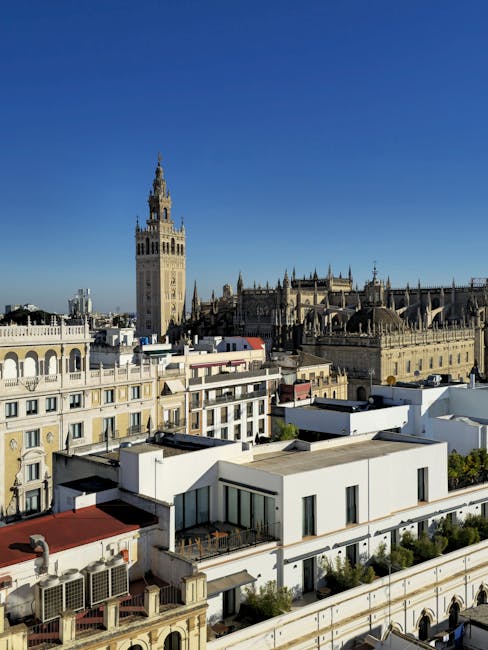
A short walk away is the Cathedral of Seville and La Giralda (Avenida de la Constitución, s/n, 41004 Sevilla). Hours: roughly 11:00–17:00 in low season, extended in summer (check the official site). Price: combined Cathedral + Giralda tickets run about €12–15 (variable; some religious services are free to enter). Climb the Giralda via its ramps for panoramic city views; the Gothic nave, richly decorated chapels and the tomb of Christopher Columbus make for a full visit. Tip: buy a skip-the-line ticket online to avoid long waits.
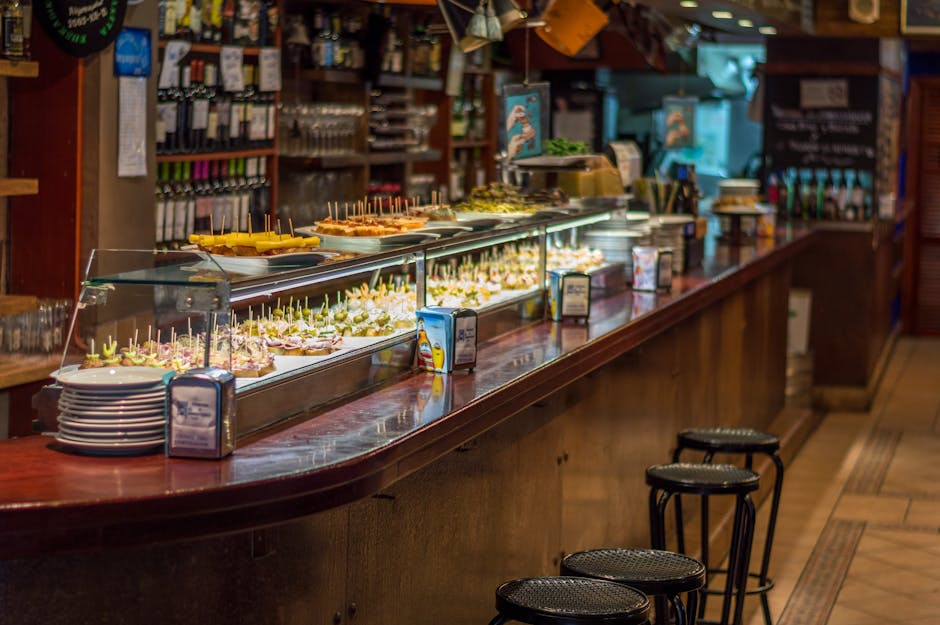
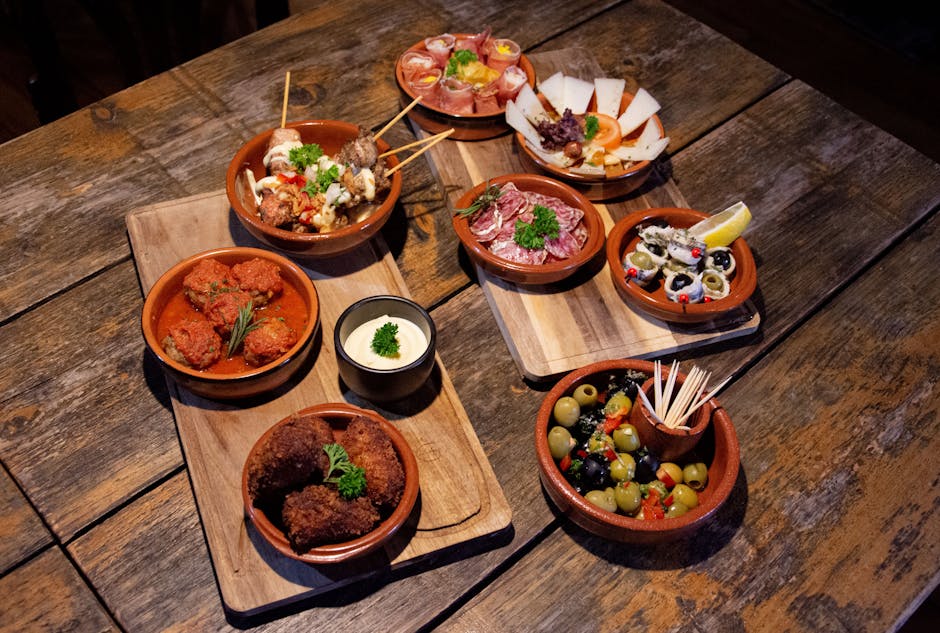
After lunch in the Santa Cruz neighborhood (tapas at El Rinconcillo, Calle Gerona, 40, 41003 Sevilla — historic address; hours 11:00–00:00; dishes from around €3.50), head toward the Plaza de España (Parque de María Luisa, s/n, 41013 Sevilla). This monumental open square is beautiful in the late afternoon — perfect for a rowboat ride (boat rental: roughly €6–8 per 30 minutes) and for photographing the provincial azulejos in the golden light.
[[IMAGE:Plaza de Espana river boat rowers golden hour]]
Evening of Day 1: dinner and a night out. Recommendation: reserve a table at restaurante Casa Robles (Calle Álvarez Quintero, 58, 41004 Sevilla; dishes €12–25; hours 13:00–16:00 and 20:00–23:30). For flamenco, pick a central tablao like Casa de la Memoria (Calle Cuna, 6, 41004 Sevilla; show 20:30–22:00; prices €18–28 depending on seating). Local tip: dine early (around 20:00) and then see the show, or opt for late tapas at 22:00 to soak up a more local atmosphere.
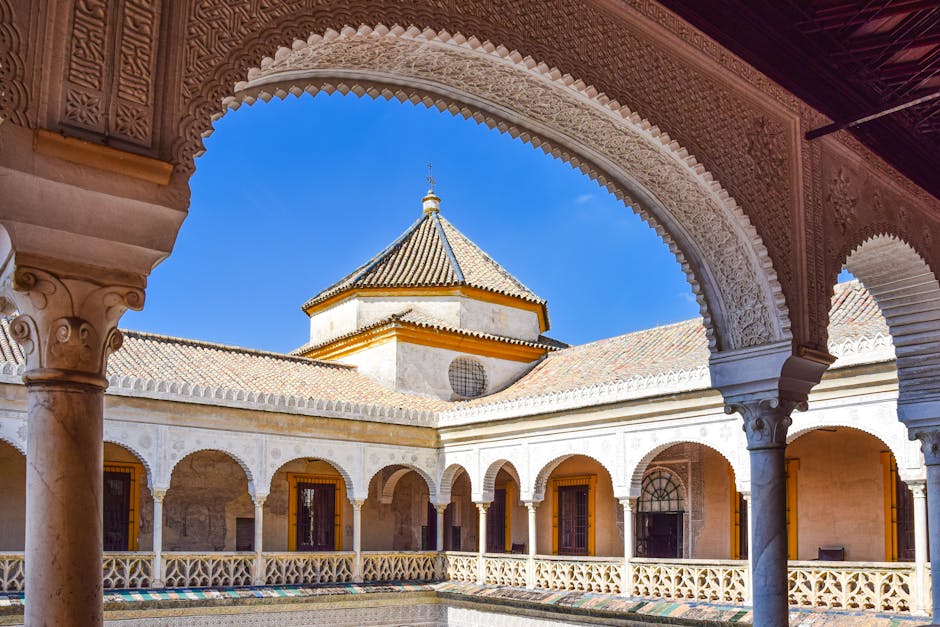
Day 2: dedicate the morning to museums or quieter sites. Visit the Archivo General de Indias (Plaza del Triunfo, s/n, 41004 Sevilla) — it’s free and often less busy; hours 09:30–20:00, closed Sunday mornings. Then stop by the Casa de Pilatos (Plaza de Pilatos, 1, 41003 Sevilla) — hours 09:00–19:00 (variable); entrance around €10 — an Andalusian baroque palace-mansion with interior courtyards and an art collection.
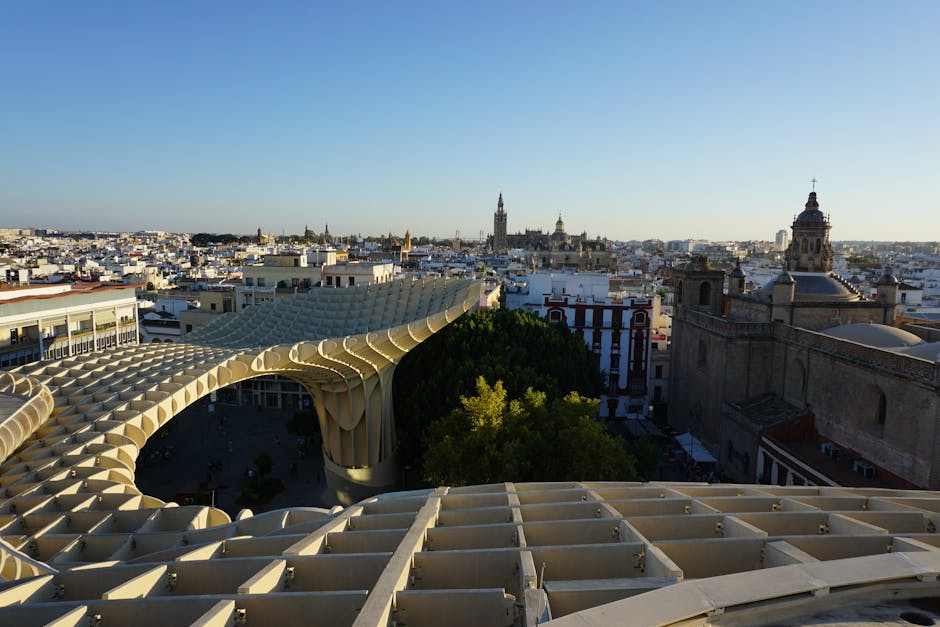
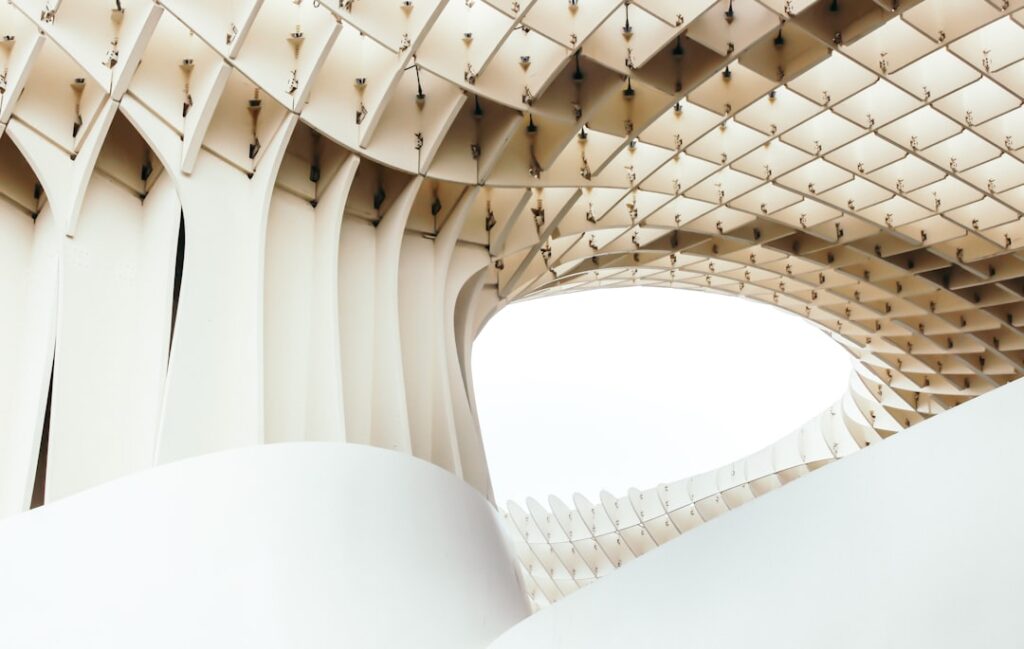
Afternoon: stroll down Calle Sierpes and Calle Tetuán for shopping and cafés. Afternoon treat at Confitería La Campana (Plaza Nueva, 1, 41001 Sevilla; hours 09:00–21:00; pastries from about €1.50). Finish your afternoon at the Metropol Parasol (Setas de Sevilla, Plaza de la Encarnación, s/n, 41003 Sevilla): take the rooftop walk (mirador) for €3–5 and enjoy sunset views; hours roughly 09:00–23:00.
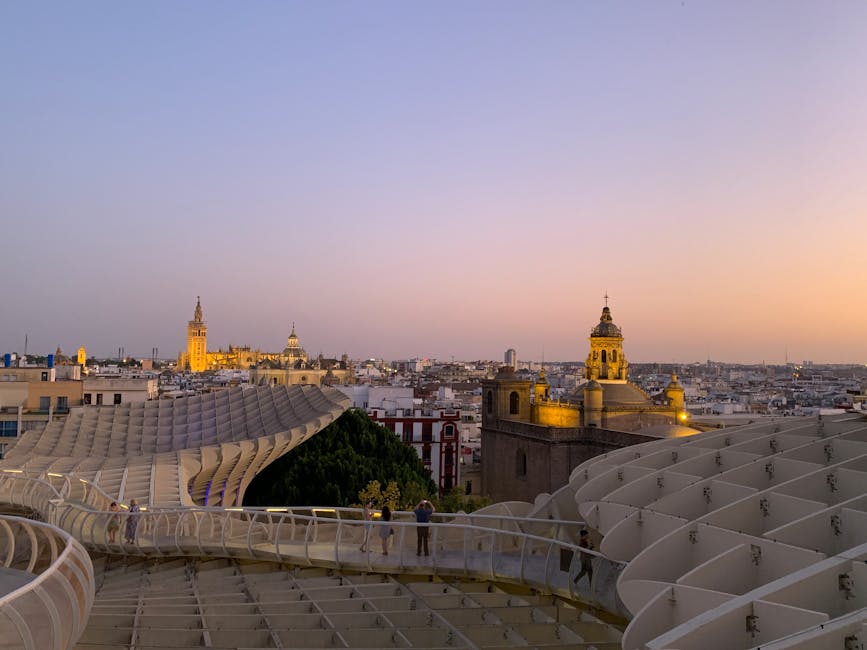
2. Sample 2-day itinerary — Triana or La Macarena: tradition, markets, flamenco and workshops
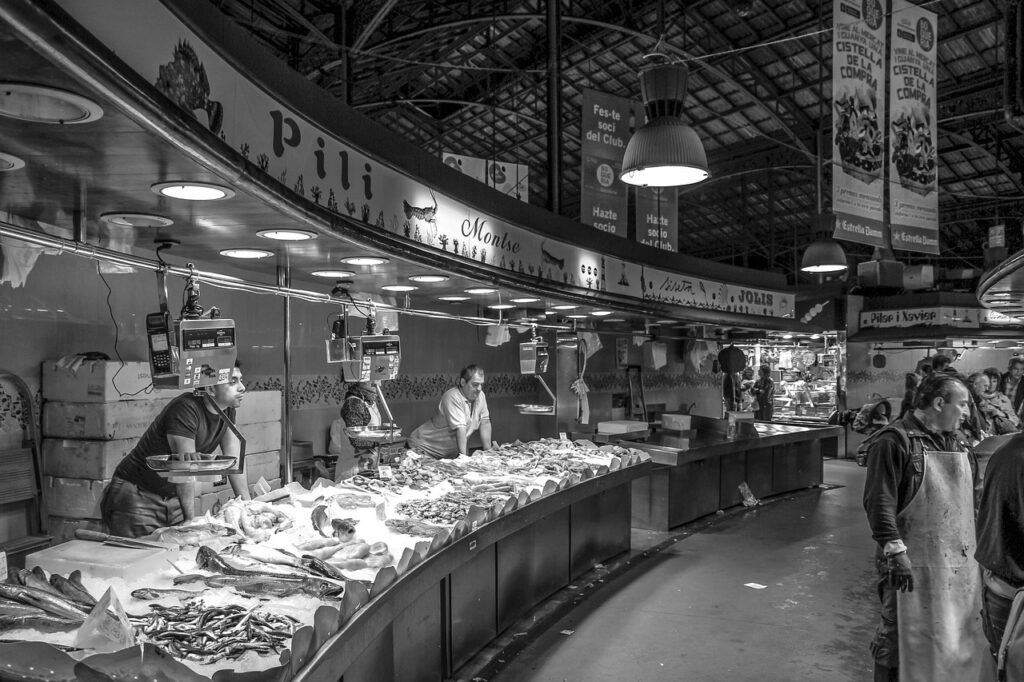
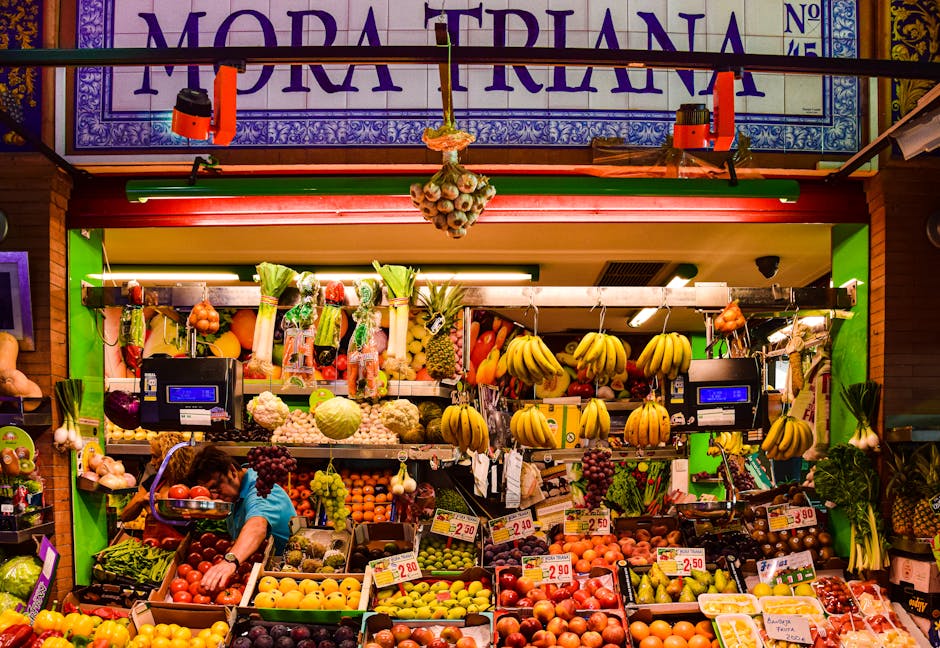
Option A — Triana (on the banks of the Guadalquivir): Triana is the potters’ quarter, a place where flamenco shows through and locals spend their lives in bars. Start your first morning at the Mercado de Triana (Calle San Jorge, 6, 41010 Sevilla). Hours: generally 08:00–15:00; some stalls stay open later. Prices: tastings from €2–4; perfect for a local breakfast (churros, coffee, bocadillo). Wander along Calle Betis and enjoy river views and sights like the Torre del Oro.
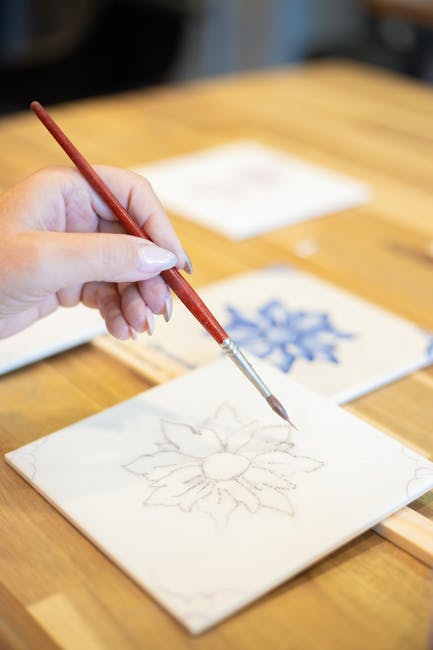
Then visit the Centro Cerámica de Triana (Calle Antillano Campos, 28, 41010 Sevilla). Hours: 10:00–14:00, 16:00–19:00 (check specific days); entry about €3–5. What to expect: exhibitions on the neighborhood’s ceramic tradition, demonstrations and small artisan shops. Tip: join a one-hour workshop (intro workshop €20–35 depending on length) to take home a hand-decorated piece.
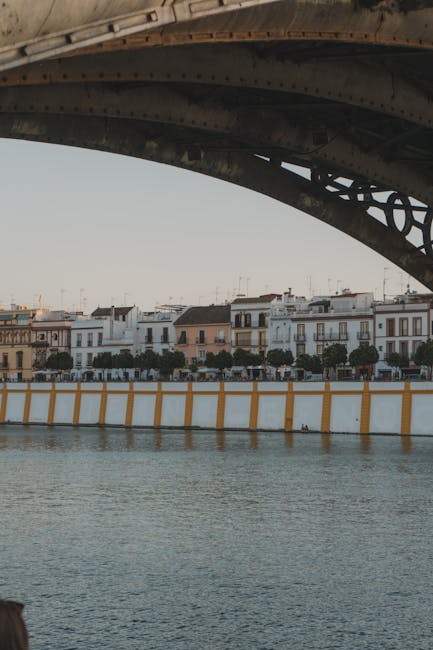
Lunch in a classic local spot like Casa Cuesta (Calle Betis, 15, 41010 Sevilla; hours 13:00–00:00; tapas €3–8) or Las Golondrinas (Calle San Jorge, 12, 41010 Sevilla). In the afternoon, cross the Puente de Isabel II and head toward the center if you want to mix attractions; otherwise, enjoy a relaxed afternoon among bodegas and little squares.
In the evening, book a more intimate, high-quality tablao like Tablao El Arenal (Calle Rodo, 7, 41001 Sevilla), which usually has shows from 20:30; prices around €25–40 depending on the package (with or without dinner). Local tip: Triana sometimes hosts spontaneous performances in small peñas (flamenco clubs) — ask locals or your neighborhood vendors for current happenings.
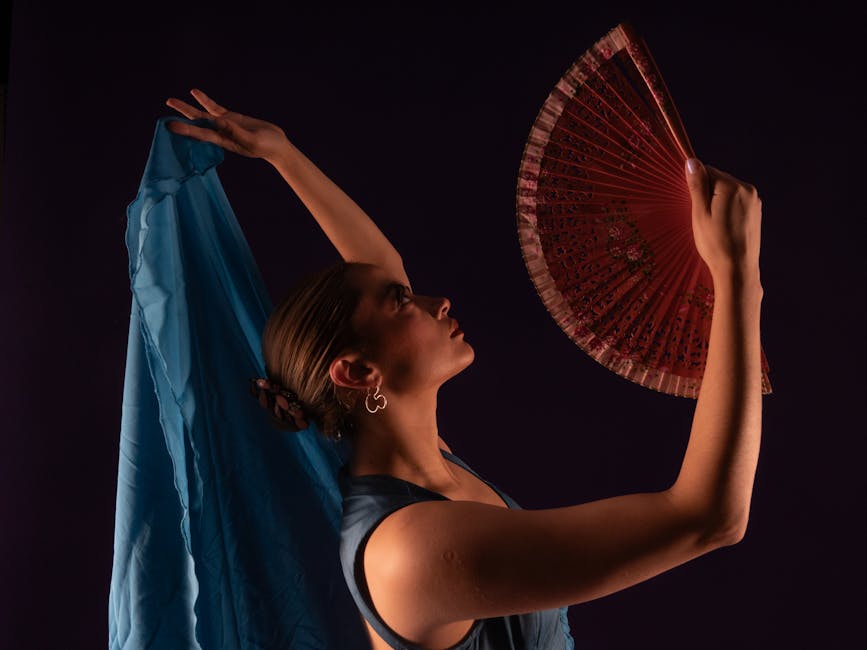
Option B — La Macarena: if you prefer a more everyday, popular side of Seville, La Macarena charms with narrow streets, a lively market and a basilica. Start at the Basílica de La Macarena (Calle Bécquer, s/n, 41002 Sevilla). Hours: typically 08:00–13:00 and 17:00–20:00; entry is free though donations are welcome. Nearby, the Mercado de la Feria (Calle Feria, 1, 41002 Sevilla) sells local produce, tapas and offers a very Sevillan daily atmosphere — hours 08:00–15:00.
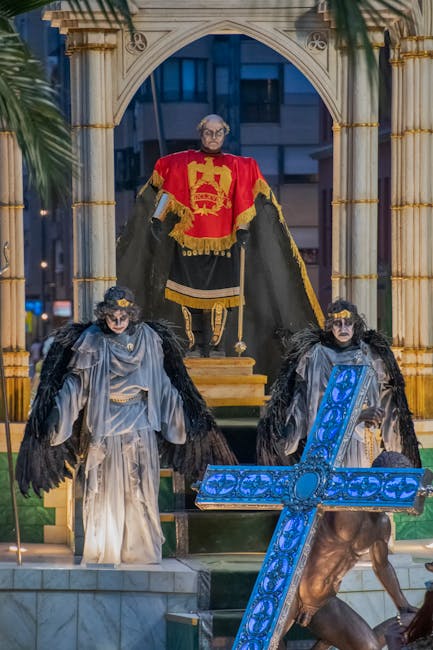
In the afternoon, walk up to the historic city walls and the old city gate (Puerta de la Macarena); wander the narrow lanes and try hearty stews in family-run taverns (dishes €6–12). For the evening, Macarena’s peñas or small live-music bars offer a very authentic flamenco experience, often less touristy than the central tablaos. Practical tip: La Macarena is ideal for travelers looking to connect with daily Sevillian life and discover small, off-the-beaten-path food spots.
Practical tips shared by both itineraries
- Getting around: walking is the best way to explore the Casco Antiguo; EMT Sevilla buses cost about €1.40 per trip and the metro/tram can help for longer journeys (metro station Puerta de Jerez for the center). Bike and e-scooter rentals are everywhere; stick to small pedestrian streets in the morning and evening.
- Bookings: book the Alcázar, Cathedral + Giralda and some tablaos online to avoid queues. Municipal museums often accept walk-up tickets.
- Opening hours: Spain has a late schedule — locals tend to eat between 21:00 and 23:00; many shops close between 14:00 and 17:00 (siesta), especially outside tourist areas.
- Safety & comfort: Seville is generally safe; watch out for pickpockets in tourist zones. Stay hydrated and wear a hat in summer — temperatures can be very high from June to September.
Conclusion — Make the most of your 48 hours by choosing what suits you
Two days in Seville may feel short, but by basing yourself in a single neighborhood — the Centro for the major sights, or Triana/La Macarena for a more local, cultural immersion — you’ll save time and energy and get a richer experience. If you’re drawn to iconic monuments, the Alcázar, Cathedral-Giralda and Plaza de España are an essential trio — book ahead and get an early start to enjoy them fully. If you prioritize local life, markets, artisan workshops, taverns and intimate tablaos will leave you with more personal, less postcard-perfect memories. In either case, always allow margin for the unexpected: a lineup that takes longer than planned, an extended show, or simply the urge to stay longer over a coffee.
Think logistics: comfortable shoes, printed or smartphone tickets, sunscreen depending on the season, and local emergency numbers. Budget roughly €60–120 per person per day if you combine paid sights, meals at decent restaurants, a flamenco show and a few purchases. Prices quoted in this guide (Alcázar €13.50, Metropol Parasol €3–5, tablaos €18–40) are indicative — always check official websites before you go. And above all, leave room for surprise: some of the best Seville memories come from a wrong turn that leads to a shady square, a tiny ceramics shop or a street band that turns a stroll into an unforgettable moment.