


Introduction — Why See Seville on Foot and How to Make the Most of a Budget 3-Day Route
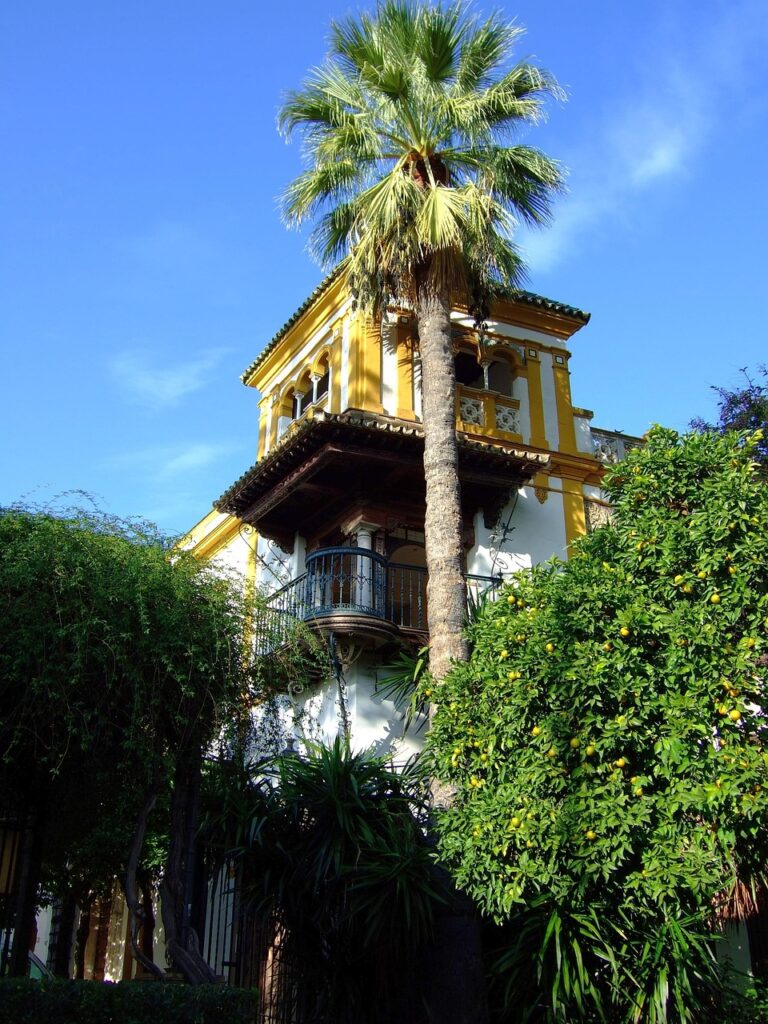
Seville, the Andalusian capital bathed by the Guadalquivir, is a city best explored on foot. Its narrow lanes, shady plazas, tile-covered patios and baroque facades reveal treasures at walking pace. A 3-day walking route designed for a tight budget lets you cover the must-sees — the Catedral de Sevilla and its Giralda, the Real Alcázar, Plaza de España, and the Triana neighborhood — while enjoying local experiences: affordable tapas, food markets and small independent flamenco venues. The goal of this guide is to deliver a realistic, precise and detailed plan: exact addresses, typical opening times, prices in euros and practical tips to save money without losing authenticity.
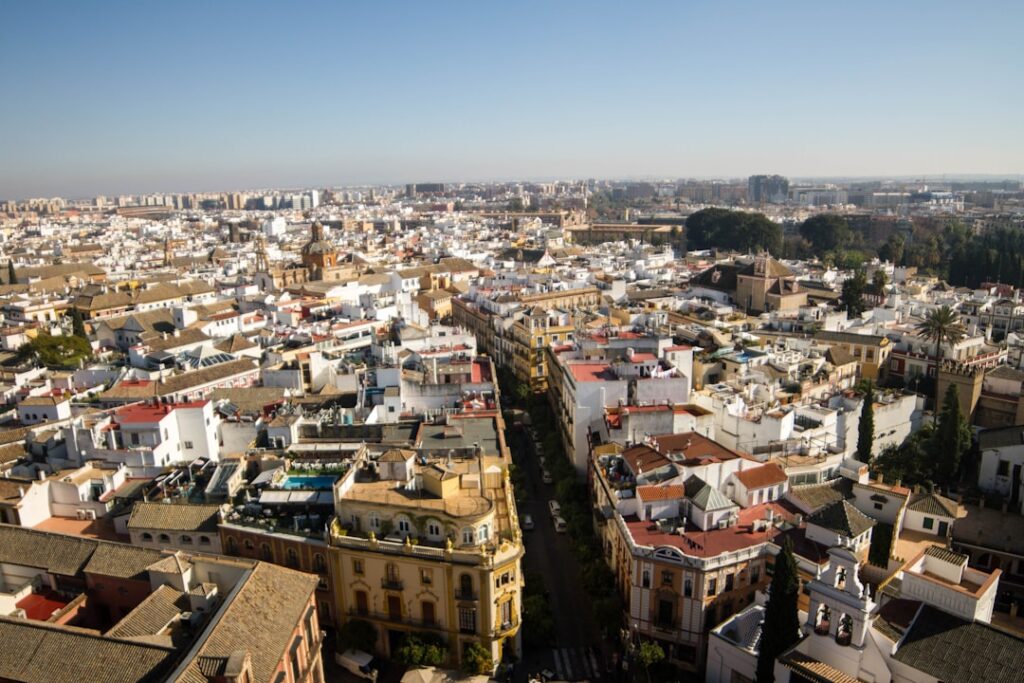
Walking in Seville also keeps transport costs down: most central tourist sites are concentrated between Santa Cruz, Arenal, the Alameda and Triana. By walking you catch the shifting light that makes the azulejos glow, spot modest but excellent tapas bars and find unexpected viewpoints like the Metropol Parasol (Setas de Sevilla). For budget-minded travelers the strategy is straightforward: combine unavoidable paid entries (book online when possible to save time), free visits (strolling Parque de María Luisa, stopping by the Archivo de Indias), meals at local bistros and flamenco nights in reasonably priced venues.
This guide is split into 3 numbered sections, each corresponding to a walking day. Each day offers a chronological route with exact addresses, typical opening hours (check seasonal changes), prices in euros, budget options and local tips (where to get the best coffee, how to avoid lines, when the light is ideal). I’ll also suggest alternatives for intense heat (very common in Seville’s summers) and ways to cut costs without giving up the essentials. Finally, you’ll find visual cues to plan your shots and get the best photo frames.
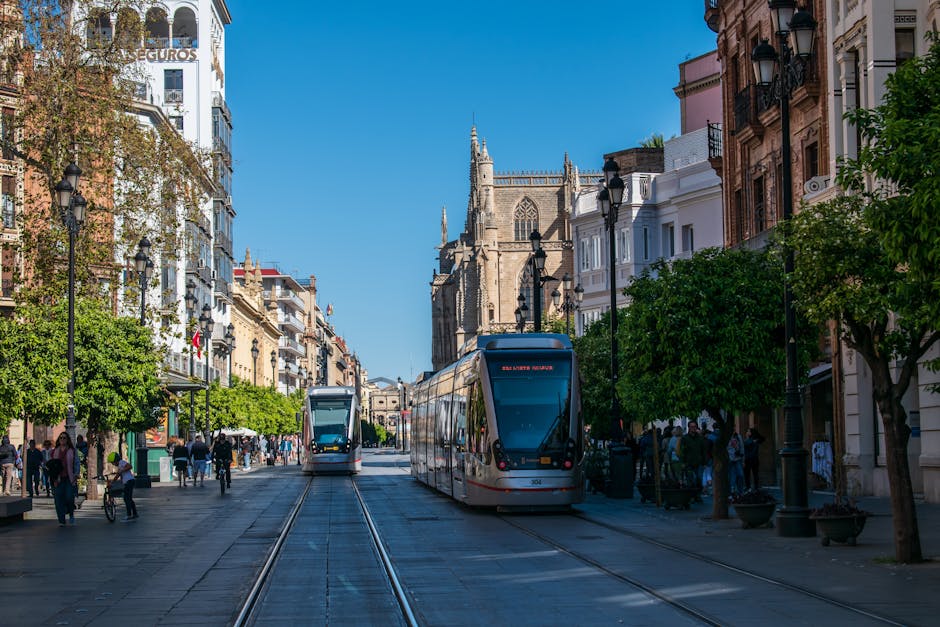
1. Day 1 — Historic Center: Catedral de Sevilla, Real Alcázar and the Santa Cruz Quarter
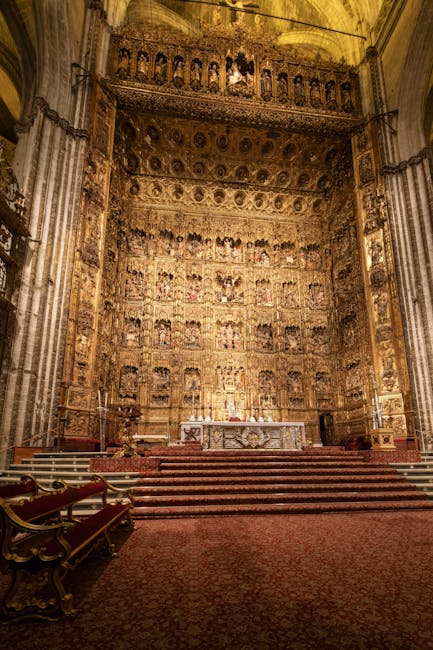
The first day focuses on the historic center’s essentials. Start early to take advantage of the light and beat the crowds. Head first to the Catedral de Sevilla (Catedral de Santa María de la Sede), located at Avenida de la Constitución, s/n, 41004 Sevilla. Typical hours: Monday to Saturday 11:00–17:00, Sunday 14:30–18:00 (times may change by season; check the official site). Price: €12.00 (adult); reduced: €9.00. The ticket sometimes includes the Giralda; if you want to climb the Giralda separately, access is usually covered by the cathedral ticket. The visit is immersive: the Gothic nave, baroque altarpieces and the light filtering through stained glass create striking plays of shadow and color. Don’t miss the Patio de los Naranjos right next door.
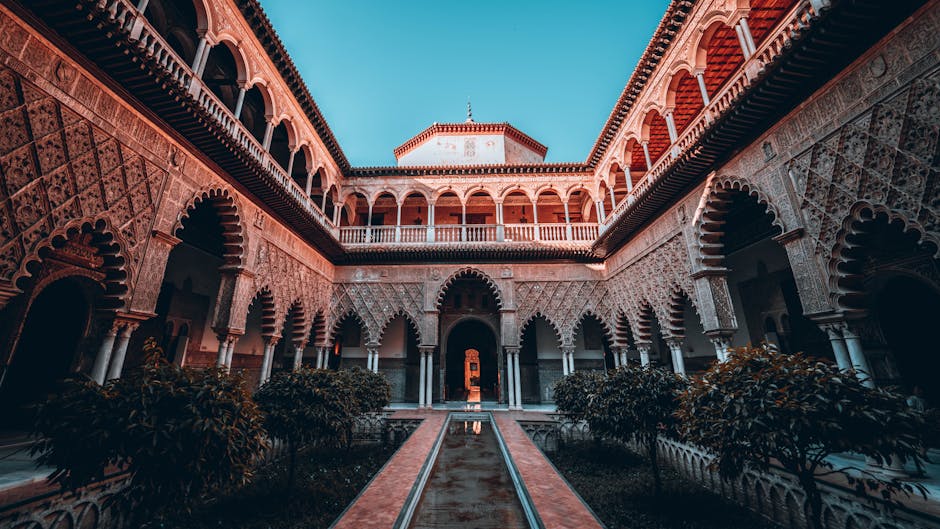
After the cathedral, head to the Real Alcázar de Sevilla, Palacio Real, Patio de Banderas, s/n, 41004 Sevilla. Usual hours: 09:30–17:00 (sometimes closing at 18:00 in high season). Price: €13.50 general admission if bought online; reduced tickets from €6.75. Budget tip: book online in advance to secure a time slot and avoid long queues. The palace is a maze of Moorish courtyards, Mudejar rooms and lush gardens — tiles, water basins and orange trees combine to create a fairy-tale setting. Allow at least 2 hours for a relaxed visit.
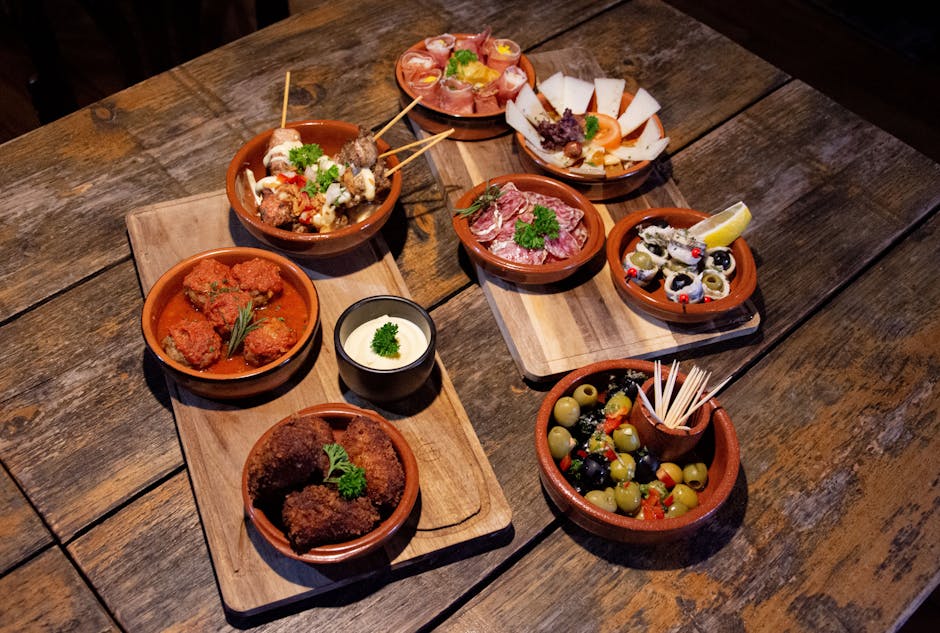
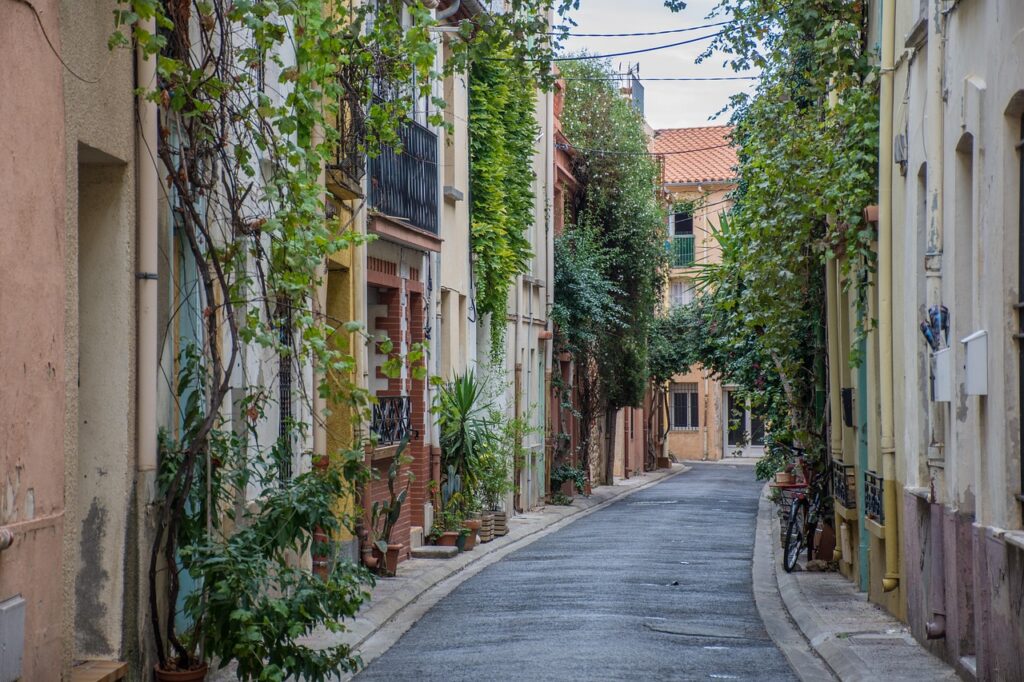
After the Alcázar, lose yourself in the Santa Cruz quarter: whitewashed alleys, small squares and tapas bars. For an affordable, typical lunch try Bodeguita Romero (Rua Harinas 10, 41004 Sevilla) for montaditos or tapas priced around €5–8 per dish. In the afternoon, wander to the Archivo General de Indias (Plaza del Archivo de Indias, s/n, 41004 Sevilla): free entry, typically open 09:30–17:00. It’s a historical treasure trove housing manuscripts from the Americas, with a lovely courtyard perfect for a photo break.
Logistics tips for the day: wear comfortable shoes (cobblestones and steps), bring a refillable water bottle (public fountains available), and try to arrive at the cathedral right at opening if possible. For lunch, to save money choose a menu del día at a local taberna (around €10–15) rather than the tourist restaurants near Plaza Virgen de los Reyes.
2. Day 2 — Parque de María Luisa, Plaza de España, Museums and Surrounding Neighborhoods
Day two takes you out of the center’s alleys to green spaces and grand monuments. Start at the Parque de María Luisa (Parque de María Luisa, s/n, 41013 Sevilla), free to enter and ideal in the morning for cooler temperatures and soft light. Stroll the palm-lined paths, find the Glorieta de Bécquer and the fountains. The park is perfect for an economical picnic: buy supplies at a local market or supermarket and settle beneath the trees.
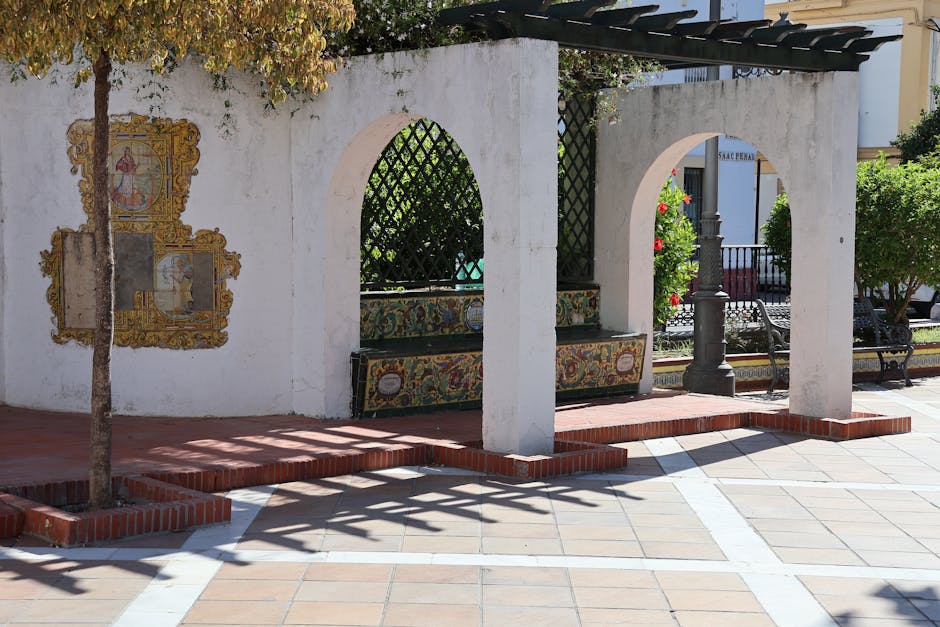
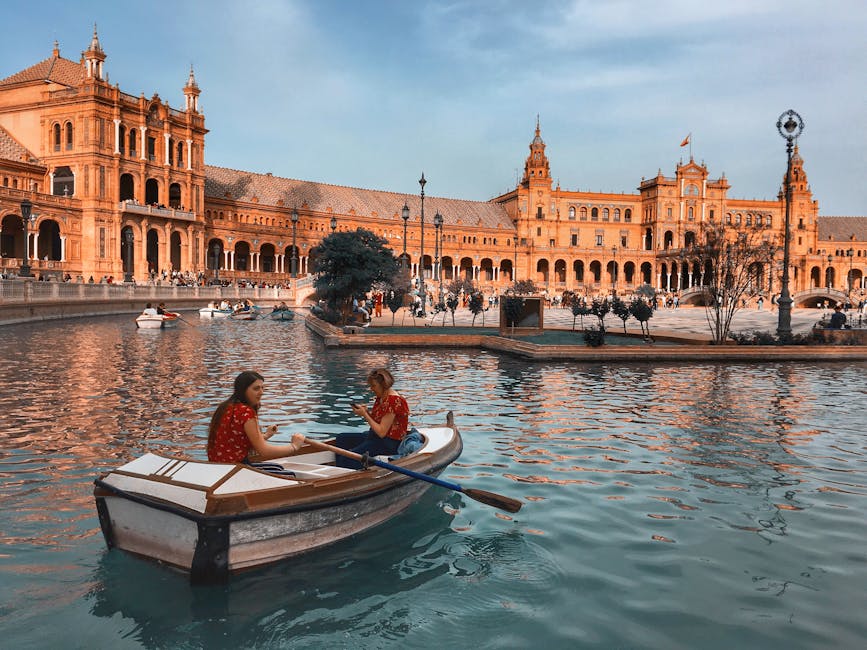
At the park’s heart, the Plaza de España (Parque de María Luisa, s/n, 41013 Sevilla) is a regionalist masterpiece built for the 1929 Ibero-American Exhibition. Free entry. Take time to explore the 48 tiled alcoves representing Spain’s provinces, cross the canal and, if you like, rent a rowboat (approximate price: €6–8 for 30 minutes). This square is incredibly photogenic at sunrise and sunset; avoid midday if you want photos without crowds.
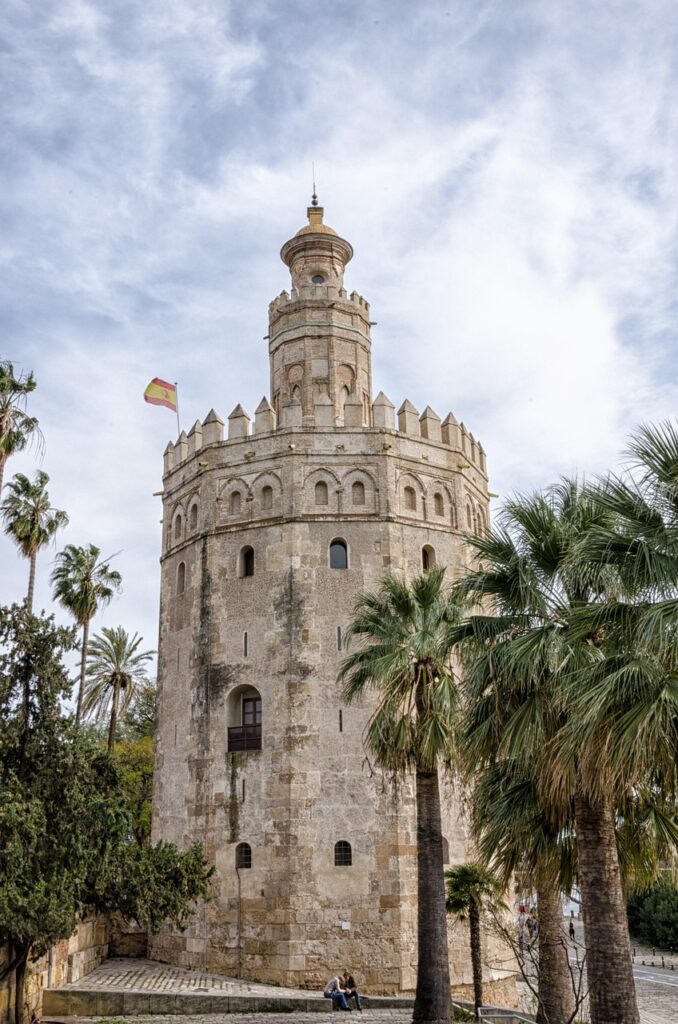
From there, walk down toward the river and visit the Torre del Oro (Paseo de Cristóbal Colón, 1, 41001 Sevilla), today home to the Naval Museum (Museo Naval). Hours: typically 09:30–18:00. Price: about €3.00. The tower offers a perspective over the Guadalquivir and Seville’s maritime past. Walk along the river, cross the Isabel II bridge and reach Triana, known for its ceramics tradition and lively, working-class vibe.
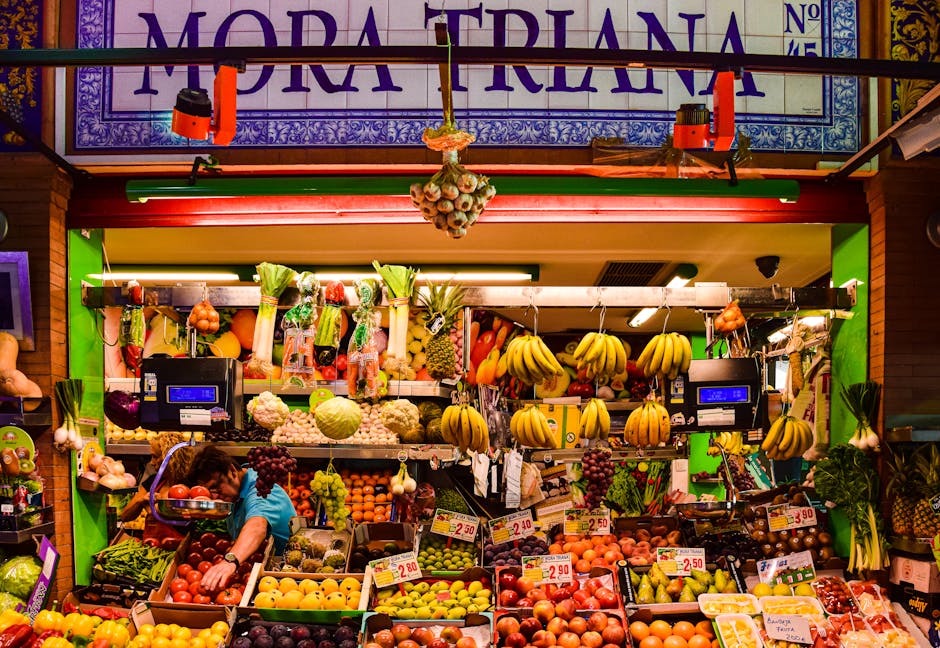
For lunch, head to the covered market Mercado de Triana (Plaza del Altozano, s/n, 41010 Sevilla): fresh produce stalls and tapas to grab for €5–10. In the afternoon, visit the Centro Cerámica Triana (Calle Antillano Campos, 28, 41010 Sevilla), entry about €3.00, to learn about the local tile-making craft. End the day at sunset on the Guadalquivir banks, sipping an inexpensive drink at a bar on Calle Betis.
3. Day 3 — Budget Cultural Alternatives: Museums, Metropol Parasol and Local Flamenco
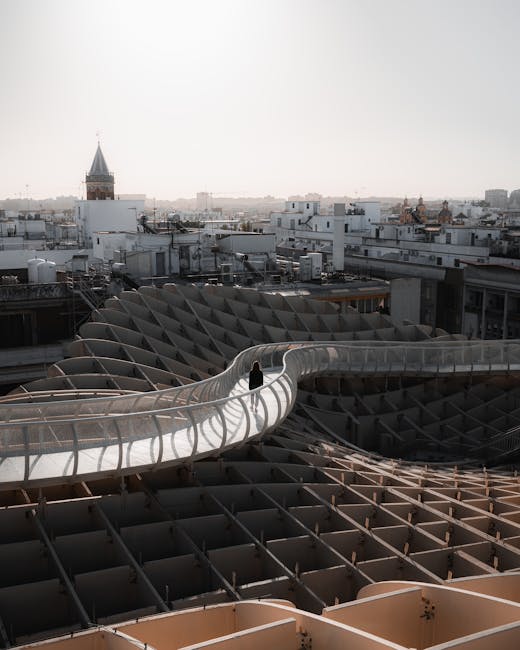
Day three balances culture, panoramic views and immersion in local arts without blowing the budget. Start at the Metropol Parasol (Las Setas de Sevilla) at Plaza de la Encarnación, s/n, 41003 Sevilla. This contemporary viewpoint offers a walk along the wooden structure and city views. Hours: generally 09:30–23:00 for the walkway, but times vary; fee: €3.00 (free entry for children depending on age). Go early for the best rooftop light and views of the cathedral in the distance.
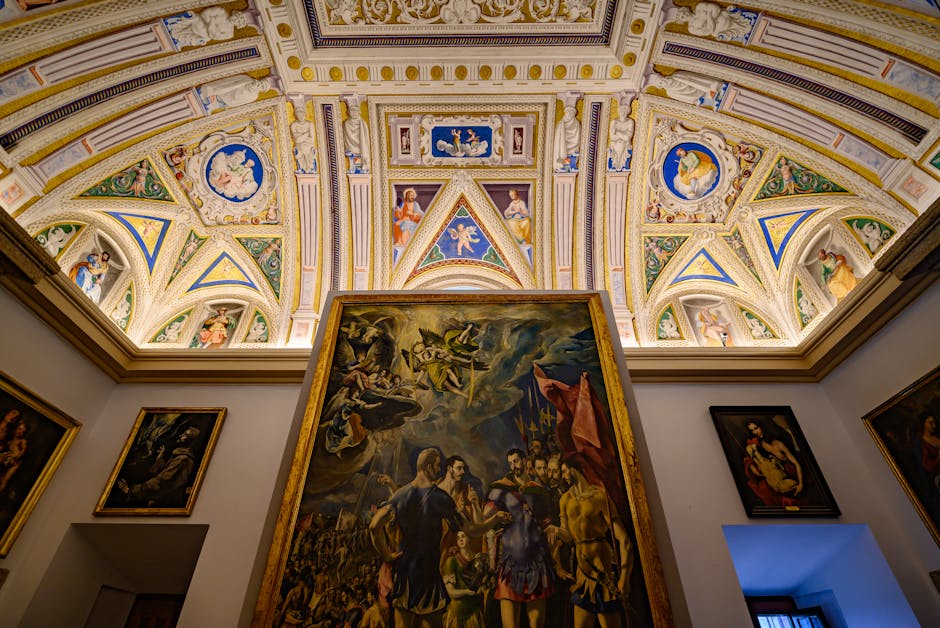
Next, visit lesser-known but affordable museums: the Museum of Fine Arts of Seville (Museo de Bellas Artes de Sevilla), Calle Alfonso XII, 12, 41001 Sevilla, which is often free or very low-cost for some exhibitions (check opening times: 09:00–21:00 depending on season). The collection includes major Andalusian and Baroque painters. Another budget option: wander the Mercado de la Encarnación for coffee and cheap tapas.
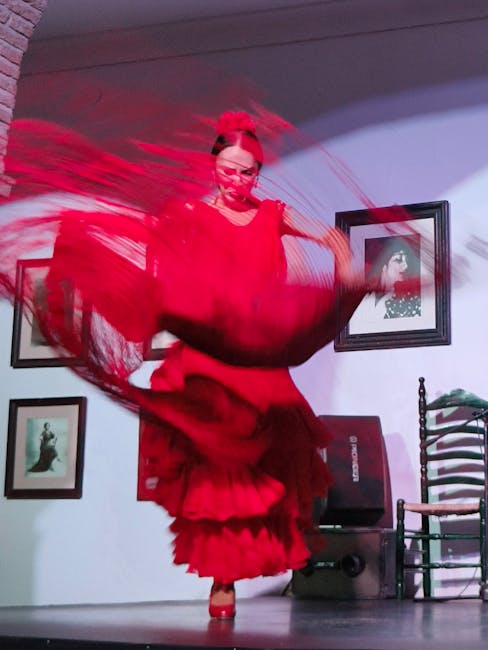
In the evening, for an authentic cultural experience, book a flamenco show in an intimate venue: Casa de la Memoria (Calle Cuna, 6, 41004 Sevilla) offers small, intense performances. Show times: usually 20:30–22:00; price: around €20.00. A cheaper alternative: look for local peñas (flamenco clubs) or bars with live shows where entry can be between €8–12 including a drink. Flamenco in a small tablao is powerful and budget-friendly — choose authenticity over large tourist productions.
Practical tips for the day: take advantage of free or reduced-price museum hours in the morning, avoid Metropol Parasol at peak times, and book the flamenco evening in advance (seating can be limited). For lunch, opt for a menu del día or share raciones (budget around €10–15 per person).
Conclusion — Maximize the Experience, Final Tips and Estimated Budget
Seeing Seville on foot in 3 days balances paid must-sees (Catedral de Sevilla, Real Alcázar) with free discoveries (Parque de María Luisa, Plaza de España, Archivo de Indias) and lower-cost local experiences (markets, tapas, small flamenco tablaos). For a tight budget, here’s a realistic 3-day estimate per person: main entries (Cathedral €12.00 + Alcázar €13.50 + Torre del Oro €3.00 + Metropol Parasol €3.00) ≈ €31.50; economical meals (3 meals/day at €10–15) ≈ €90–135; budget accommodation (hostel/economy hotel) ≈ €60–90 per night depending on season; local transport costs minimal if you do everything on foot. Overall, a 3-day trip can be managed for roughly €200–400 depending on lodging and dining choices.
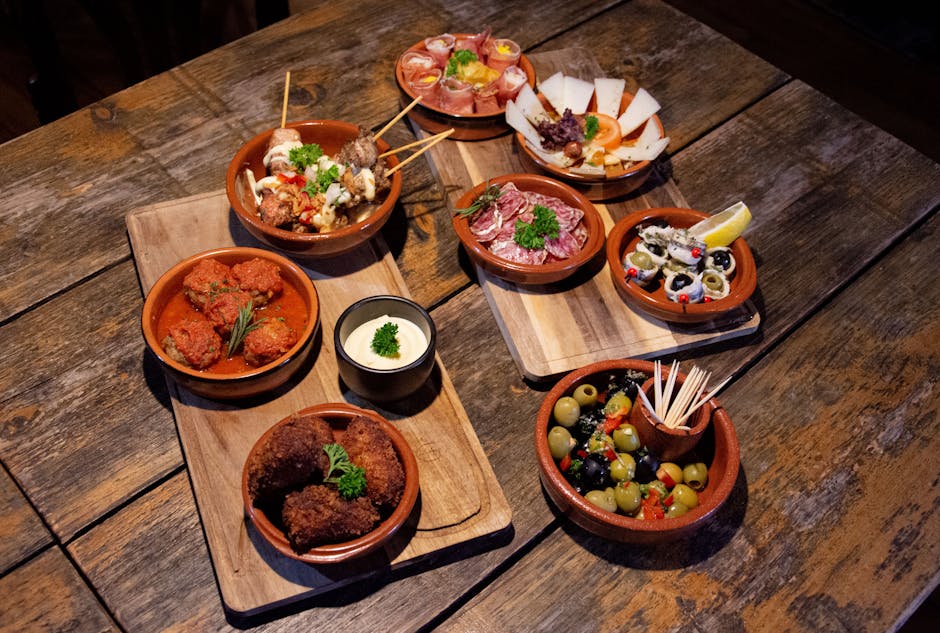
A few local tips to optimize your stay: buy entrance tickets for major sites online to avoid queues; favor morning visits for better light and cooler temperatures; stay hydrated (Andalusian summers can be extreme) and carry a handheld fan or hat; sample multiple tapas bars by sharing raciones to try more without overspending; hunt for menu del día at lunchtime — often the best value. If you want to save even more, prioritize free museums (check days/times), markets for lunch and tips-based free walking tours that provide context and anecdotes without a large commitment.
Seville invites you to slow down: walk, sit on a small square with a café con leche, watch locals, smell the orange blossoms and listen to a guitar drifting from an inner courtyard. In 3 days on foot you’ll see the highlights and have time to feel the city rather than just skim it. This guide gives you an economical, practical framework, but don’t forget to add your own detours: a museum stumbled upon by chance, a ceramics shop in Triana, or an impromptu street performance could become the most memorable moments of your trip. Have a great trip and enjoy Seville!