


Introduction — Getting Around Seville Today: Between the Urban Tram and Rideshares
Seville blends old and new: medieval lanes, Andalusian courtyards and modern transport infrastructure. For visitors and locals alike, knowing how the tram network and the rideshare (VTC) scene operate is key to getting around efficiently, saving time and avoiding common pitfalls. This guide gives you a practical, up-to-date overview (hours, prices, main stops, fare options, local tips) of Seville’s tramway and the local rideshare market, with exact addresses, on-the-ground details and insider advice.
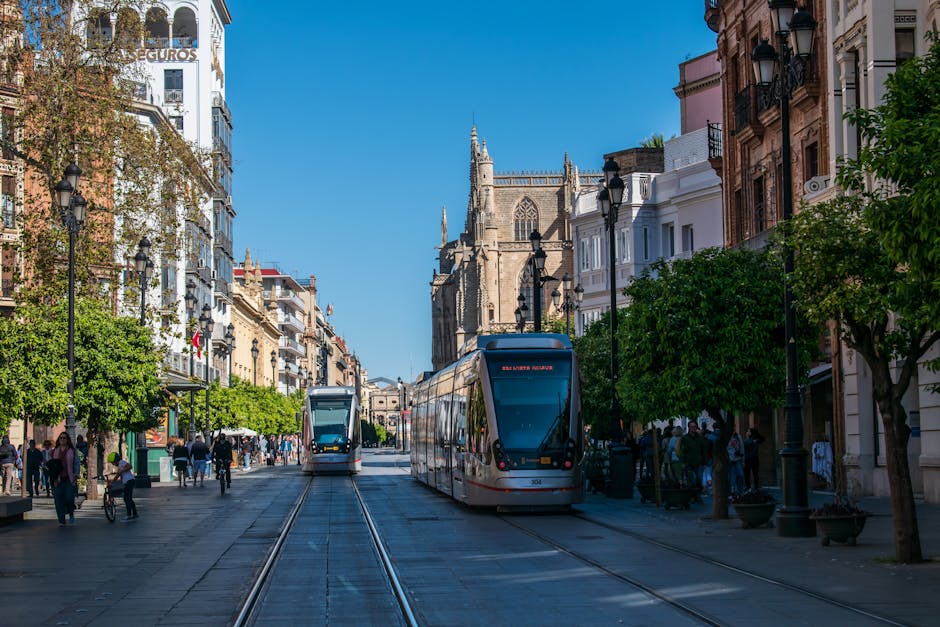
Seville’s tram, most often referred to as the MetroCentro, acts as a backbone for getting around the historic core and connects with other transport modes (metro, TUSSAM buses, Cercanías commuter trains). Meanwhile, rideshares (Cabify, Uber depending on availability, and local operators) have become a popular option for door-to-door trips, airport transfers and late-night travel. Each mode has its strengths: the tram for reliability and predictability, rideshares for flexibility and comfort.
This guide is aimed at tourists as well as people thinking of living or working in Seville. You’ll find detailed information on:
- the MetroCentro route and main stops;
- fares and ticket options (single tickets, multi-ride packs, rechargeable cards);
- opening hours and frequencies by day and time;
- common rideshare procedures and costs (pick-up fees, airport charges, tipping, apps to download);
- practical recommendations and local tips to save time and money.
Beyond the technical details, I’ll point out concrete locations with exact addresses so you can easily identify key spots: stations, train terminals, rideshare pick-up points. I’ll also suggest images to help you build visual references before you arrive in Seville.
1) The Tram Network and MetroCentro: Route, Stops, Schedules and Fares
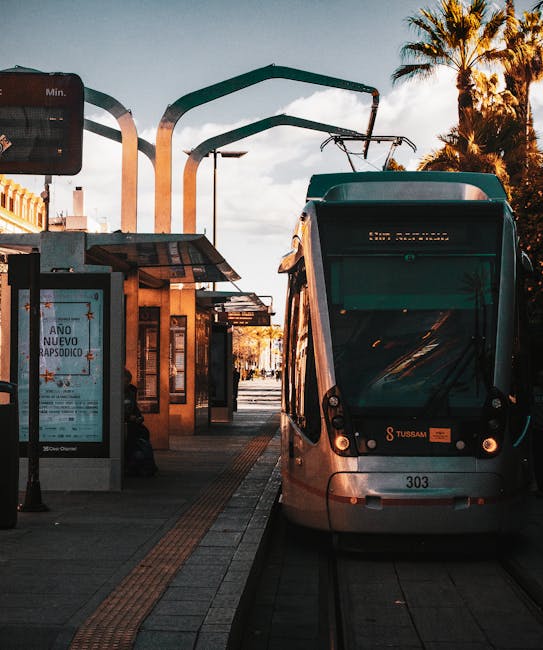
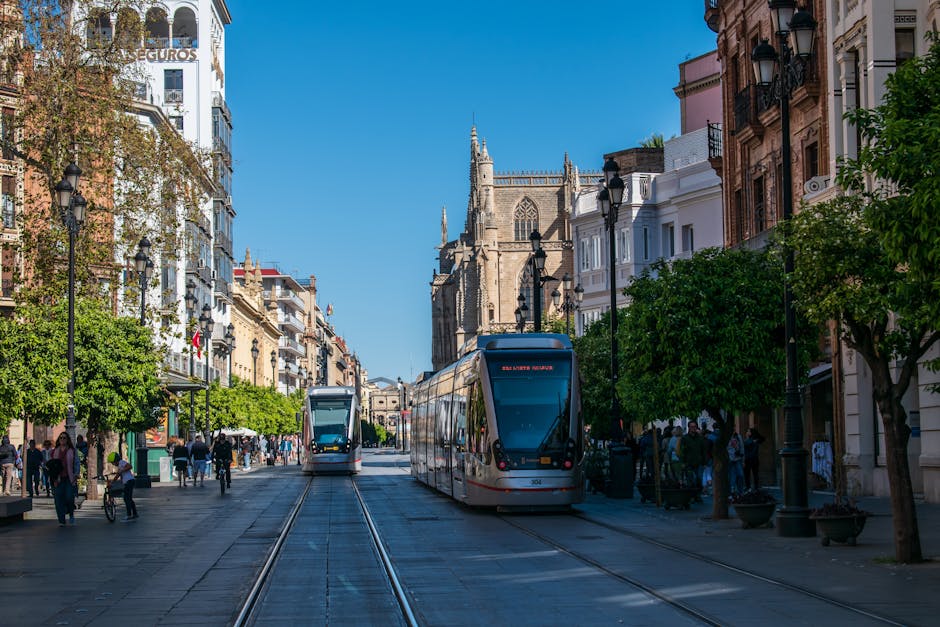
In Seville, the word “tram” usually means the MetroCentro, a light tram service that serves the historic center and links to other modes (Santa Justa train station, bus stops, etc.). MetroCentro is designed to connect tourist and administrative hubs without forcing people to drive through the city’s narrow streets.
Main route and stations: the MetroCentro primarily serves the following axis (list with indicative addresses):
- Plaza Nueva — Plaza Nueva, 41001 Sevilla (central stop near City Hall and Calle Sierpes).
- Archivo de Indias / Puerto de Indias (Puerta de Jerez) — Plaza del Cristo de Burgos, 41004 Sevilla (close to the Real Alcázar and the Cathedral).
- Plaza San Francisco — Plaza San Francisco, 41002 Sevilla (administrative crossroads).
- Puerta de Jerez — Paseo de Cristóbal Colón / Puerta de Jerez, 41004 Sevilla (connection to the parks and the Guadalquivir riverfront).
- Prado San Sebastián — Avenida de la Constitución / Paseo de Colón, transition area near the university and María Luisa Park.
- San Bernardo — Avenida de la Buhaira / Calle San Francisco Javier, 41018 Sevilla (major interchange with buses and the wider metro/rail network).
Hours and frequency (general info): MetroCentro typically runs from early morning until late evening. Typical schedules are:
- Weekdays (Monday–Friday): roughly 06:30–23:00, with 8–12 minute frequency during peak periods (08:00–10:00 and 18:00–21:00) and 12–20 minutes off-peak.
- Weekends (Saturday–Sunday): 07:00–23:00, frequency varying between 10–20 minutes depending on tourist demand.
Fares and ticket types: MetroCentro is part of Seville’s integrated transport network. Common fare options include:
- Single ticket (central zone): roughly €1.40–€1.50 per trip (indicative — check current prices before you travel).
- 10-ride pack: usually discounted, around €9.00–€11.00 for ten trips.
- Rechargeable card (Tarjeta Multiviaje / Tarjeta +TUSSAM): initial card cost (about €2–€5) plus top-ups; monthly subscriptions available for residents (around €40–€55 depending on zones).
Important interchange points:
- Estación de Santa Justa — Avenida Kansas City, s/n, 41013 Sevilla: direct connections (buses, taxis) — within walking distance or reachable via TUSSAM interchanges.
- Estación de San Bernardo — Avenida de la Buhaira, 41018 Sevilla: connections to Cercanías commuter trains and multiple bus lines.
- Seville Airport (SVQ) — Av. de Kansas City, 41020 Sevilla: frequent transfers via bus EA, taxis and rideshares.
Practical tips:
- Always validate your ticket when boarding; inspections happen and fines can be steep (several dozen euros).
- During busy tourist hours, allow an extra 5–10 minutes to find the stop and board—MetroCentro serves very crowded areas (Cathedral, Alcázar, Archivo de Indias).
- If you’re traveling with large luggage, prefer San Bernardo or Santa Justa stations — they offer more space and better connections.
2) How It Fits with the Metro, TUSSAM Buses and Cercanías Trains: Multimodal Mobility
The tram doesn’t operate in isolation: it’s part of a multimodal web that includes the underground Metro de Sevilla (Line 1), the city bus network TUSSAM, and the Cercanías RENFE commuter trains. Understanding these links helps you optimize travel and cut costs.
Metro de Sevilla (Line 1): Line 1 crosses the city’s east-west axis and connects hubs like Ciudad Expo (Alcalá de Guadaíra) and Olivar de Quintos. Important central stations include San Bernardo (Avenida de la Buhaira, 41018 Sevilla) and Puerta de Jerez (near the historic center). Typical hours: about 06:30–23:30, with 6–10 minute frequency at peak times. Standard fare for a single urban zone: roughly €1.35–€1.50. Many stations have elevators and facilities for passengers with reduced mobility.
TUSSAM (municipal buses): TUSSAM covers the whole city with day lines and night lines (búhos). Hours: generally 06:00–23:30 for most routes, with some main lines running later. Fares: single tickets around €1.40; combo tickets and monthly passes available (discounts for students and seniors). Key central stops include:
- Plaza Nueva — many bus stops around the square.
- Avenida de la Constitución — close to the cathedral and tourist sites.
- Prado San Sebastián — an important hub for transfers.
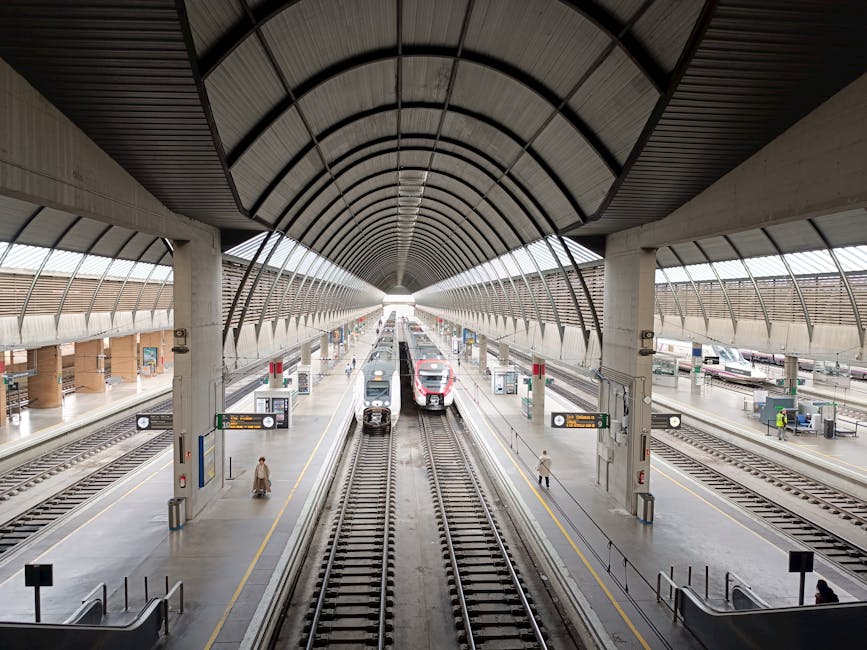
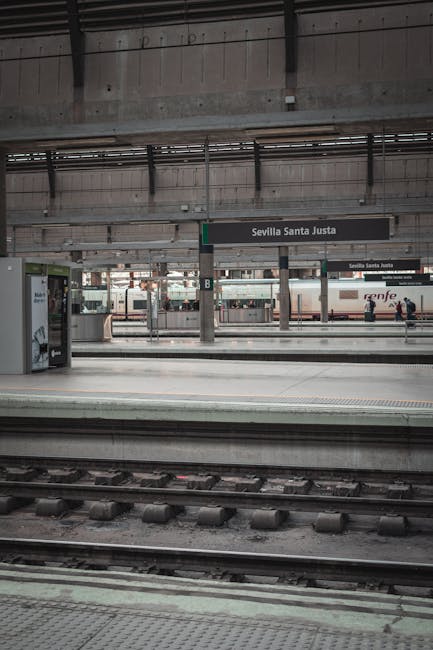
Cercanías RENFE: commuter trains connecting Seville with nearby towns. The main city station is Sevilla-Santa Justa (Av. Kansas City, s/n, 41013 Sevilla) offering long-distance (AVE, regional trains) and local connections. Prices vary with distance; a short regional ride can cost roughly €1.70–€3.00. Frequency: every 15–30 minutes depending on the line.
Integrated tickets and tourist cards: the « tarjeta turística » and integrated transport cards can sometimes offer savings if you combine metro, tram and bus use. For short stays, the Seville Tourist Card (official tourist card) sometimes includes transport discounts and reduced entry to attractions — prices vary by duration (24h, 48h, 72h), typically €20–€60.
Multimodal tips:
- To get to the airport from the center: the EA bus (Especial Aeropuerto) runs regularly to Seville Airport — departures from Plaza de Armas / Prado San Sebastián; fare about €4.00.
- During peak tourist events (Feria de Abril, Holy Week), favor the tram and metro to avoid traffic — rideshares can surge and face long waits.
- Download the official apps: TUSSAM, Metro Sevilla, RENFE Cercanías for live schedules and service updates.
3) Rideshares in Seville: Operators, Typical Fares, Pick-ups and the Airport
Rideshares (VTC) are a comfortable alternative to traditional taxis, especially for airport transfers, late-night trips, luggage-heavy journeys, groups and door-to-door routes. In Seville, the best-known operators are Cabify (strong presence), Uber (availability varies with regulation), and regional/local platforms. They all operate through mobile apps (iOS/Android).
Typical pricing structure (estimated ranges):
- Base pick-up fee: €3.00–€4.50 depending on operator and vehicle type (economy, comfort, executive).
- Price per km: about €0.90–€1.50 per km (varies by operator and service level).
- Price per minute: €0.15–€0.30 per minute for waiting/driving time.
- Typical airport ↔ city center trip (Avenida Kansas City / Seville Airport — Plaza Nueva): €18–€30 depending on traffic and operator; airport surcharges of €2–€6 may apply.
- Night/event surcharges: surge pricing is common during Feria, Holy Week or big concerts — the app shows dynamic pricing before you confirm the ride.
Booking procedure and recommended pick-up points:
- Download the app (Cabify, Uber or another), create an account and add a payment method.
- Enter your exact pick-up address and destination. The apps display an estimated price and the driver’s arrival time.
- Recommended pick-up spots in the historic center: Plaza Nueva (Plaza Nueva, 41001 Sevilla), Puerta de Jerez (Paseo de Cristóbal Colón, 41004 Sevilla), Plaza de Armas (C. Enramadilla, 41002 Sevilla) — avoid blocking narrow streets.
Seville Airport (SVQ) — practical info:
- Address: Seville Airport (SVQ), Aeropuerto de Sevilla, 41020 Sevilla.
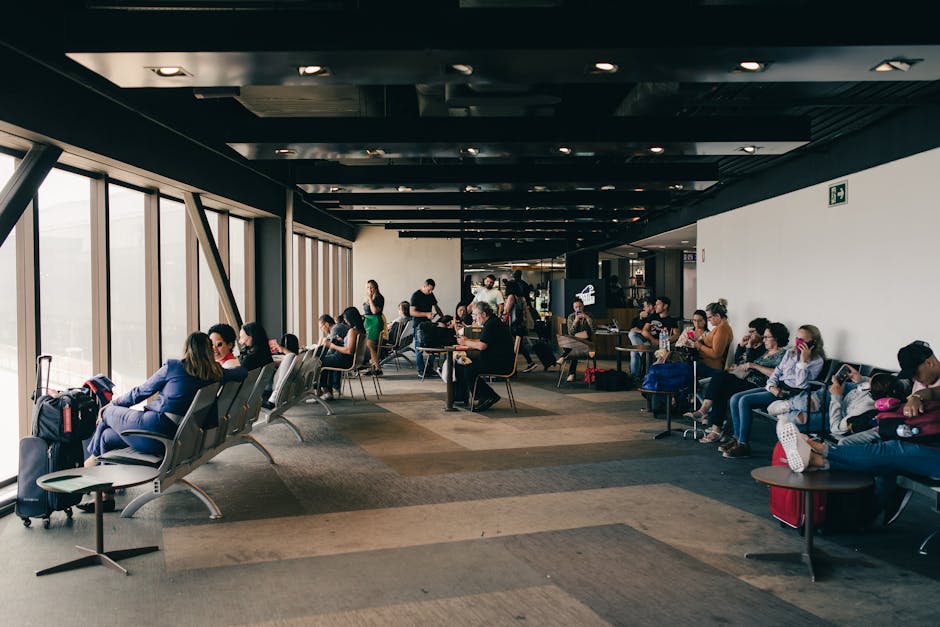
- Rideshare pick-up zone: the airport has dedicated VTC areas outside the terminal — follow the « VTC » signs or your app’s directions.
- Average wait time for a rideshare at the airport: 5–15 minutes depending on demand; longer waits possible during peak times or after delayed flights.
Safety and comfort tips:
- Check the license plate and driver name in the app before getting in.
- For late-night trips, choose « XL » or « Comfort » if you have luggage or are traveling in a group.
- Rideshares accept most bank cards; still, keep a small amount of cash (€5–€10) handy for tips or exceptional situations.
4) Local Tips, Money-Saving Tricks, Accessibility and Special Situations
Here are practical tips, common mistakes to avoid and insider tricks to make the most of the tram and rideshares in Seville.
Plan around tourist peaks:
- Holy Week (Semana Santa) and the Feria de Abril generate huge demand: build extra time into your travel plans, buy tram tickets/top up cards in advance and book rideshares well ahead when possible.
- Weekends and summer evenings draw crowds to Alfalfa and Alameda de Hércules; rideshares may surge while tram and buses remain reliable, lower-cost options.
Smart ways to save:
- If you expect 3–4 trips per day, check whether a 24–72 hour pass (Seville Tourist Card) or a multi-ride pack pays off. For residents, a monthly pass can become economical if you make 10–12 trips daily.
- Share rides when pooling is available — it often cuts the cost per person.
Accessibility:
- Many metro stations and some tram stops have elevators and ramps; rideshare drivers can usually provide accessible vehicles on request for passengers with reduced mobility.
- Check accessibility details on official pages: Metro de Sevilla, TUSSAM and the rideshare operators list which stations and services are equipped.
Safety and regulation:
- Rideshares are regulated: drivers hold licenses and the app lets you track your route in real time.
- Don’t get into a vehicle that doesn’t match the app information (license plate, car model, driver name).
- You’re responsible for your luggage; keep valuables close and check the vehicle before you leave.
Specific issues and solutions:
- If your flight lands very late and public transport is limited: pre-book a rideshare, or use the EA bus (if it’s running) for a cheaper option.
- For transfers between two stations (Santa Justa ↔ San Bernardo): take the metro or a rideshare depending on time of day; the metro is usually faster during rush hour.
Conclusion — Choosing Between Tram and Rideshare According to Your Needs in Seville
In Seville, the tram (MetroCentro) and rideshares answer different but complementary mobility needs. The tram is an economical, predictable option integrated with the municipal transport system — ideal for trips to major tourist sites, the Cathedral, the Archivo de Indias and for connections to Santa Justa or San Bernardo. Regular schedules, decent frequency and connections with the metro and buses make the tram a solid daytime choice, especially when crowds are high and center streets are pedestrianized.
Rideshares, on the other hand, offer a tailored service: comfort, door-to-door pick-up, airport transfers and flexibility for late-night trips or areas the tram doesn’t serve. They’re especially useful for travelers with luggage, groups or when you need a direct ride during special events. Keep in mind possible surge pricing during peak demand and always compare the estimated fare before confirming a ride.
To get the most out of Seville’s transport options:
- Mix and match: use the tram and metro for inner-city travel and choose a rideshare for airport transfers or late-night trips.
- Plan ahead: buy multi-ride packs or cards if you’ll use public transport frequently; pre-book or schedule rideshares during busy periods.
- Stay informed in real time: use the official apps (TUSSAM, Metro de Sevilla, RENFE) plus rideshare apps to check wait times and dynamic prices.
Finally, note that fares and timetables can change with municipal policy and seasonality. Before you travel, check official sites or apps for the latest schedules and prices. Enjoy your stay in Seville — soak up the Andalusian charm, the patios and the food, and take advantage of a transport network that, when used smartly, makes the city easy and pleasant to explore.