

Introduction — Seville on a budget: a concentrate of history, light and flavors
Seville, the capital of Andalusia, is a city to be explored with your eyes and your walking shoes: its cobbled lanes, flower-filled patios, lively squares and the banks of the Guadalquivir deliver a palette of experiences accessible even to the most budget-conscious travelers. This guide is for visitors who want to make the most of Seville without breaking the bank: you’ll find ten free must-sees, selected for their cultural richness, accessibility and ability to immerse you in local life.
Each place listed includes the exact address, the price (0.00 € when access is free), indicative opening hours and practical tips to optimize your visits (best time of day, transport options, safety and seasonality notes). The recommendations cover scenic walks, historic sites you can access without a ticket, parks and gardens, free viewpoints and living local traditions you can observe without spending money. The guide also offers local tips: where to stop for an affordable tapa, how to enjoy less touristy terraces, and which heritage sites you might want to pay to visit if you want to dive deeper.
Seville is a city of contrasts: harsh midday light, cool shadows in the patios, guitar songs in neighborhood bars, and a warm atmosphere that makes every stroll memorable. Free attractions aren’t just photo ops; they are living places where memories form — listening to a choir rehearsal in a church, joining a local market, or watching the sunset from a viewpoint. Here is a top 10 designed for a general audience, made up of sights reachable on foot from the historic center or easily served by trams and city buses.
Before we dive in, a few general tips: wear comfortable shoes (old streets are often uneven), bring a water bottle and sunscreen in summer (temperatures can get high), favor morning visits to avoid crowds and heat, and always keep an eye on your belongings in busy tourist areas. Finally, respect places of worship and private residences: many patios and churches are living or prayer spaces where quiet and discretion are appreciated.
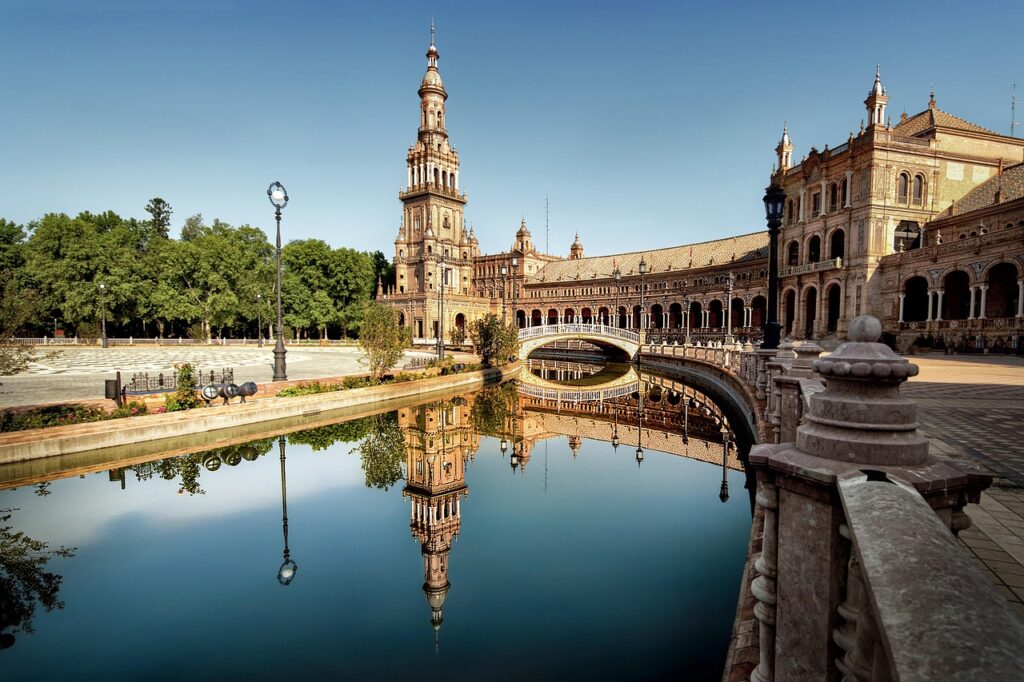
1. Plaza de España — A regionalist masterpiece in Parque de María Luisa
Address: Plaza de España, Parque de María Luisa, 41013 Sevilla, Spain
Price: 0.00 € (free access to the square and outdoor promenades)
Opening hours: The exterior square is open 24/7; the internal buildings (offices, halls) have variable hours, generally 09:00–20:00.
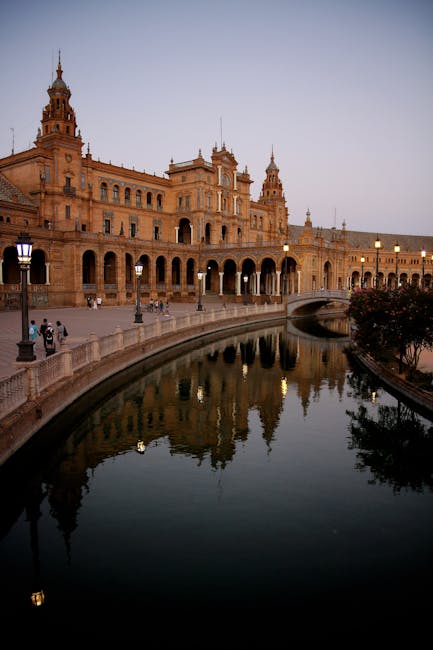
Plaza de España is one of Seville’s iconic landmarks: a huge half-moon adorned with bridges, canals and azulejos (painted tiles) representing Spain’s provinces. Designed by architect Aníbal González for the Ibero-American Exposition of 1929, it combines striking architecture, water and gardens. A walk along the canal is perfect for sunrise photos when reflections are sharp, or late afternoon for golden light.
Local tips: arrive early to avoid tourist buses and grab a spot on the park’s curve for a picnic. The boats on the canal are paid (roughly €6–8 for a short ride), but enjoying the view from the banks is free. Approach from the Paseo de las Delicias side for more photogenic scenes.
2. Parque de María Luisa — Andalusian gardens and shaded promenades
Address: Parque de María Luisa, Avenida de María Luisa, 41004 Sevilla, Spain
Price: 0.00 € (free entry)
Opening hours: Park generally open from 06:00 to 23:00 depending on the season; night closures vary.
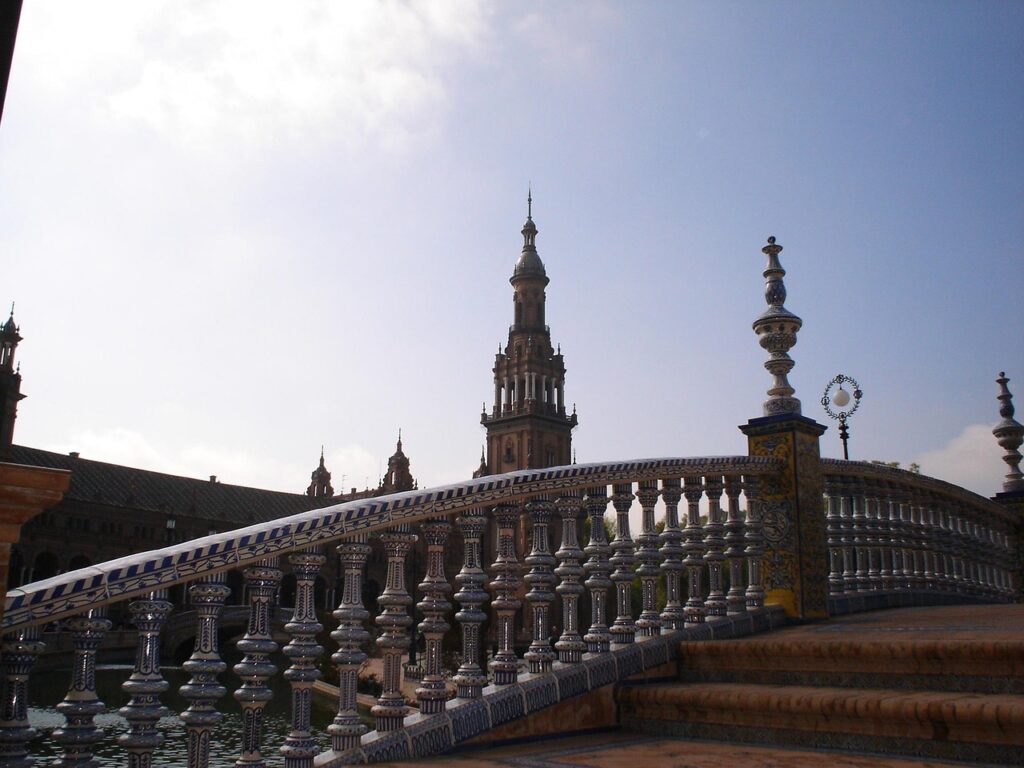
Right behind Plaza de España, Parque de María Luisa is a large green lung filled with palms, fountains, orange-lined paths and monumental statues. It’s the perfect spot to cool off after exploring the center: the long avenues are ideal for relaxed walks, jogging or simply sitting in the shade with a book.
Suggested route: start at Plaza de España, cross the park toward the Glorieta de Bécquer, then head to the area of the pavilions built for the 1929 Exposition. Look out for the mosaics and Andalusian imagery scattered through the park, and find quieter corners near the Paseo de la Palmera.
Local tips: bring water and snacks; several street vendors are near the entrances but can be pricier. The park is very popular with local families on weekends, which is a great chance to observe everyday Sevillian life.
3. Seville Cathedral (exterior view and surroundings) — Admire the Giralda without paying
Address: Catedral de Sevilla, Av. de la Constitución, s/n, 41004 Sevilla, Spain
Price: 0.00 € (exterior viewing is free; interior visits and climbing the Giralda are paid: about €12–15 depending on season)
Opening hours: Exterior accessible 24/7. Interior typically 10:45–18:00 (hours vary; check the official site).
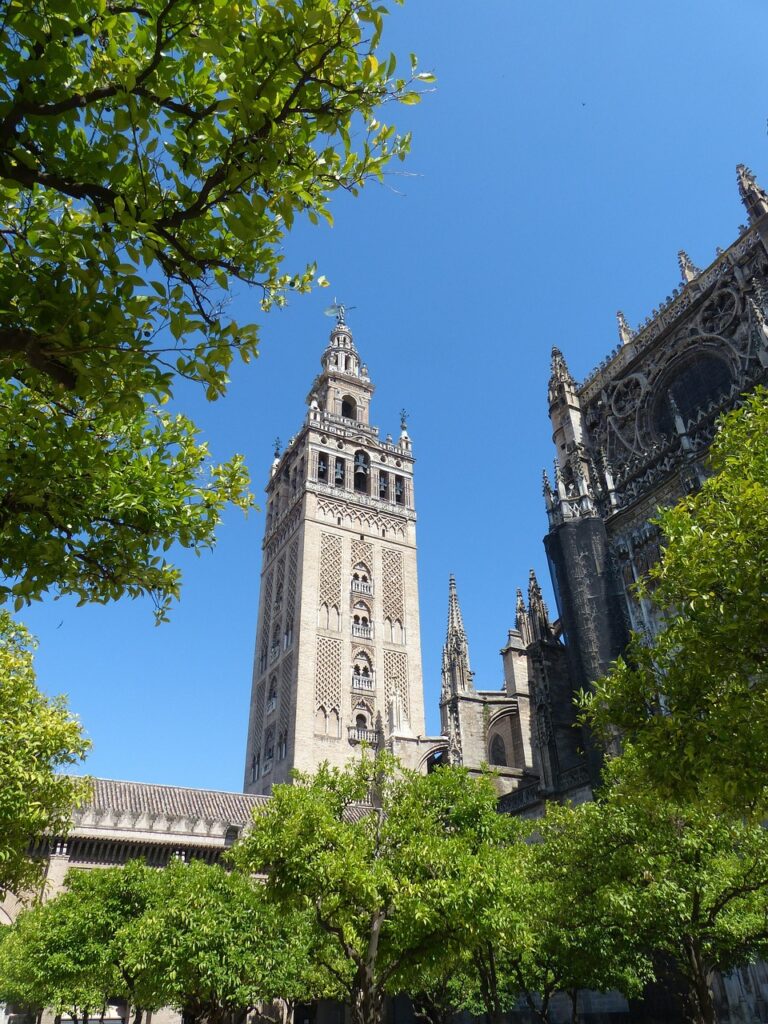
Seville Cathedral is the world’s largest Gothic cathedral, but even if you opt not to pay for entry, its forecourt, the Giralda silhouette (the former minaret turned bell tower) and the surrounding squares deserve a long look. The sculpted façades, perspectives from Calle Alemanes and the Patio de los Naranjos offer excellent photo and cultural moments.
Local tips: to avoid paid-entry queues, walk around the cathedral early in the morning or at sunset. The neighborhood around the cathedral is full of hidden courtyards and patios you discover by getting lost in the adjacent lanes. If you decide to climb the Giralda, consider booking an early visit for better light and fewer people.
4. Barrio Santa Cruz — Wander through the old Jewish quarter
Address: Barrio Santa Cruz, 41004 Sevilla, Spain (general area)
Price: 0.00 € (free wandering)
Opening hours: Neighborhood accessible 24/7; shops and bars open daytime and evenings (hours vary).
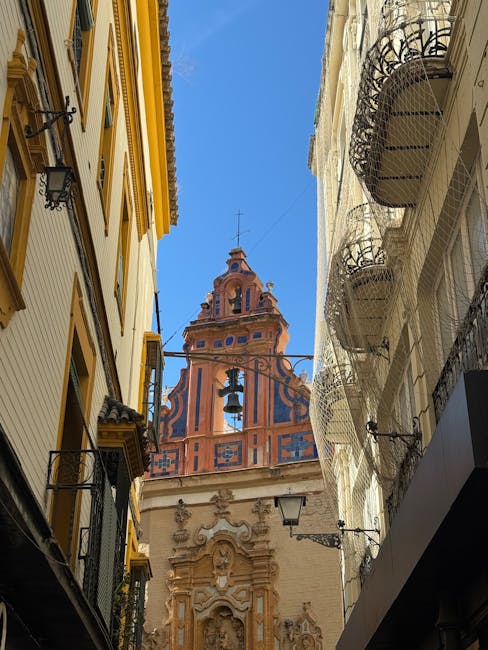
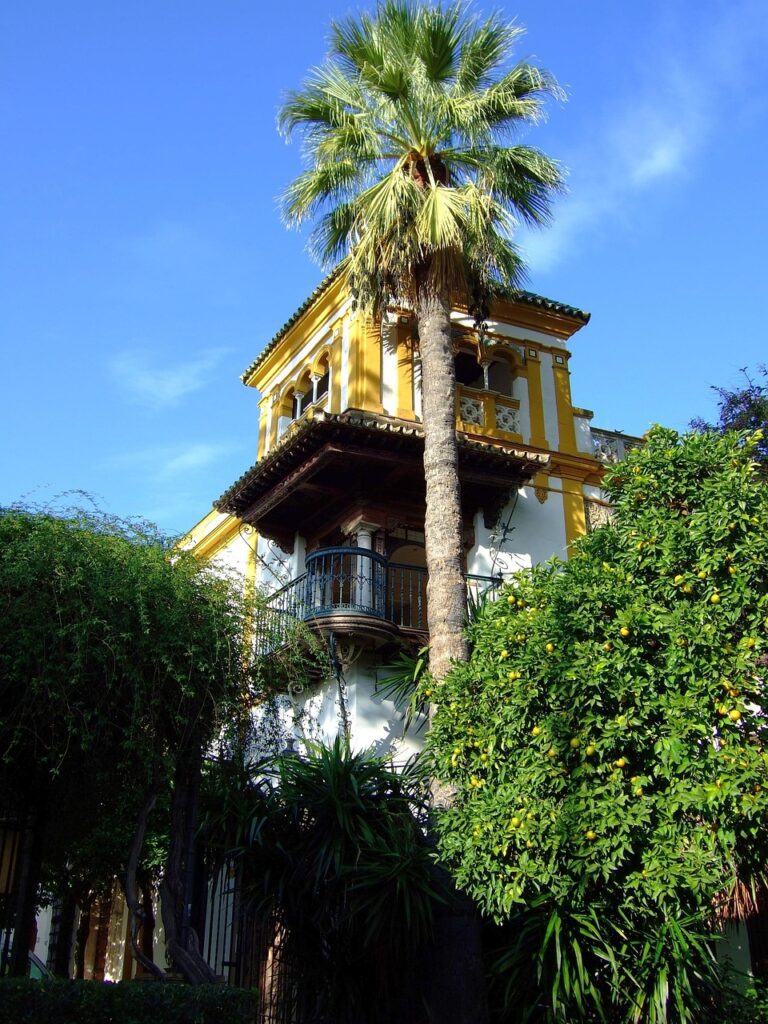
Barrio Santa Cruz is Seville’s historic heart, defined by narrow lanes, flowered patios, shady little squares and whitewashed facades. Once the medieval Jewish quarter, it still holds an intimate, labyrinthine vibe. Stroll without a plan and you’ll stumble upon chapels, craft shops and traditional cafés.
Free highlights in the neighborhood include Plaza Doña Elvira, the exterior of Plaza de los Venerables, and several viewpoints over the city rooftops. Cafés and bars often offer reasonably priced tapas (expect to pay €2.50–€4.50 for a simple tapa in local spots outside the most touristy streets).
Local tips: deliberately lose yourself in the side lanes north of the Encarnación market to find usually quiet patios. Summer evenings often bring street musicians playing guitar and flamenco — listening is free but it’s polite to leave a small tip.
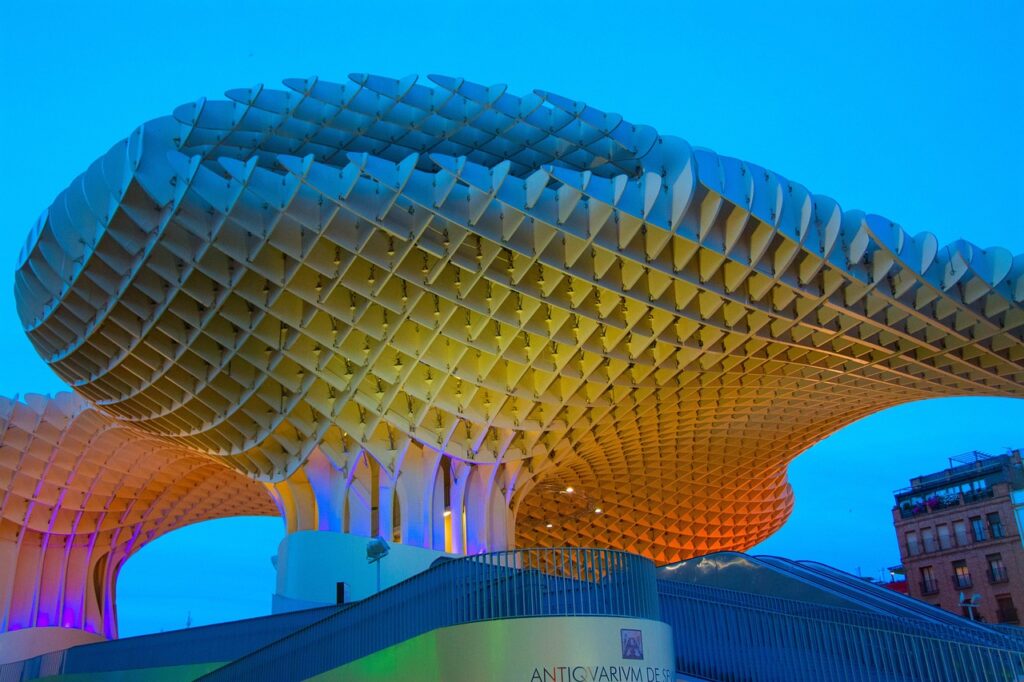
5. Metropol Parasol (las Setas) — Urban panorama from the walkway
Address: Metropol Parasol, Plaza de la Encarnación, s/n, 41003 Sevilla, Spain
Price: 0.00 € to approach and admire the structure from the square; access to the walkway and viewpoint is usually paid (around €3–5) — check for promotions or special free days.
Opening hours: The plaza is open 24/7; the viewpoint is often open 09:30–22:00 (hours vary).
The Metropol Parasol, nicknamed « las Setas » (the mushrooms), is a modern wooden structure towering over Plaza de la Encarnación. Even without paying to go up, it’s worth admiring its bold architecture from the plaza and exploring the market and the Encarnación neighborhood at its feet. The contrast with the historic center is striking.
Local tips: visit early for photos with few people. The covered market beneath the parasols hosts food and craft stalls; tastings can be affordable. If your budget allows, the viewpoint is inexpensive and gives a panoramic view of Seville’s rooftops, especially at sunset.
6. Walk along the Guadalquivir — Riverbanks, bridges and riverside vibes
Address: Paseo de Cristóbal Colón, Muelle de las Delicias, 41001 Sevilla, Spain (central riverside area)
Price: 0.00 € (free promenade)
Opening hours: The riverbanks are accessible 24/7; activities and tourist boats have variable schedules.
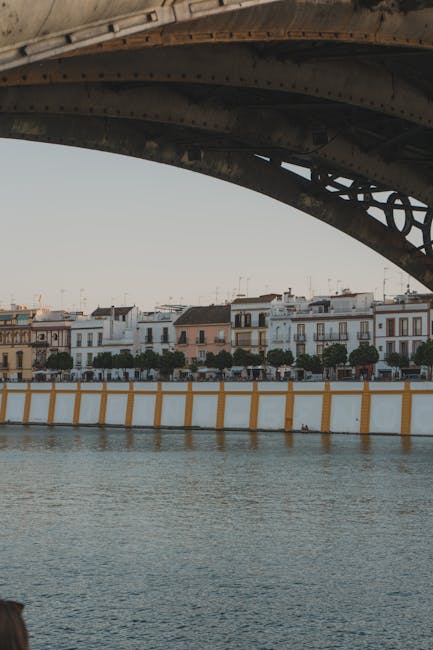
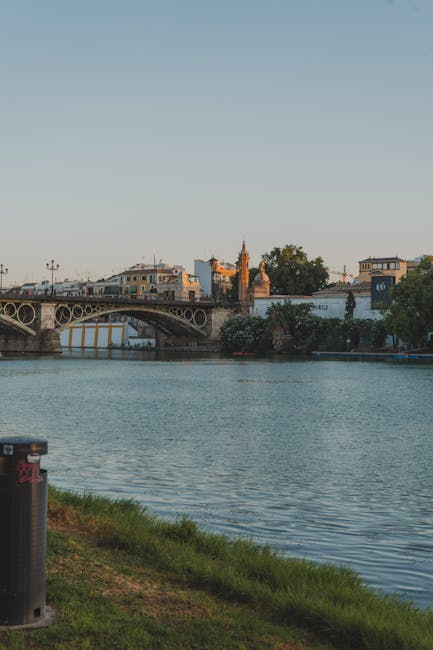
The Guadalquivir runs through Seville and offers pleasant riverside walks. From Paseo de Cristóbal Colón to Muelle de las Delicias you’ll find cycle paths, benches by the water, stilted bars and several vantage points like Puente de Isabel II (Triana Bridge) and the Torre del Oro (free to view from outside).
Suggested route: start at the Fine Arts Museum (paid), walk down the river toward the Torre del Oro, cross the Triana bridge and explore the Triana neighborhood on the opposite bank. Sunsets over the Guadalquivir are particularly photogenic, with changing reflections on the water and silhouetted bridges.
Local tips: the riverside walk is perfect for an inexpensive evening activity — bring a small blanket and a bottle of water for a relaxed moment. Weekend pop-up markets and street vendors often set up near Muelle de las Delicias.
7. Triana neighborhood — Craftsmanship, ceramics and popular culture
Address: Barrio de Triana, Calle Betis, 41010 Sevilla, Spain (general area)
Price: 0.00 € (free wandering; workshops and museums sometimes charge)
Opening hours: Neighborhood lively day and night; shop hours vary.
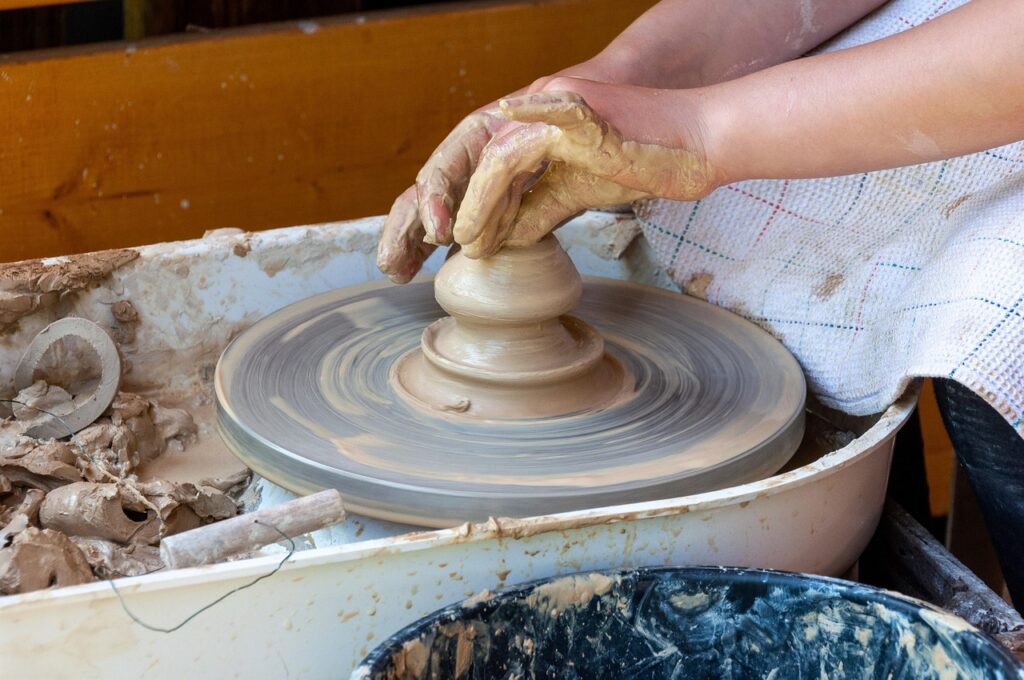
Triana, on the west bank of the Guadalquivir, is famous for its artisan history (pottery), flamenco tradition and local market. Stroll along Calle Betis by the river, explore pottery workshops around Calle San Jorge and catch informal flamenco rehearsals in bars — experiences that are typically accessible without an entrance fee.
Free highlights: the Triana Market (Mercado de Triana) for local atmosphere, the colorful façades along Calle Betis, and Calle Pureza with its small chapels and patios. Workshops sometimes display pieces and welcome curious visitors for free; just ask politely.
Local tips: visit the market early to watch local vendors, and hunt for small ceramics shops offering demonstrations. Evenings in Triana are warm and friendly: opt for bars frequented by locals for less touristy and often cheaper tapas.
8. Mercado de Triana and local markets — Colors, smells and affordable flavors
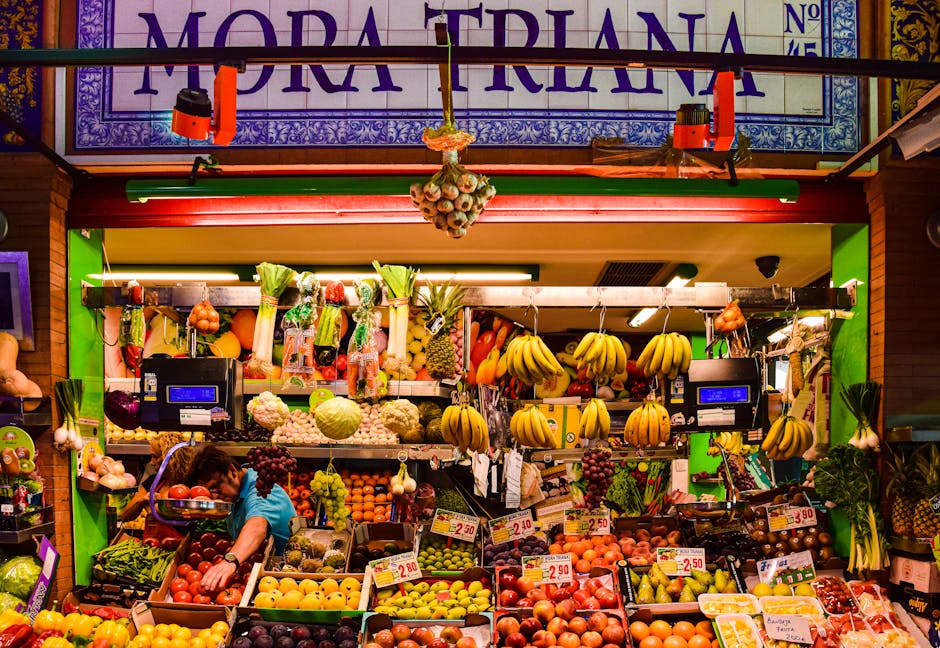
Address: Mercado de Triana, Plaza del Altozano, s/n, 41010 Sevilla, Spain
Price: 0.00 € to enter the market; products vary (tapas €2.00–€6.00 depending on the stall)
Opening hours: Generally 08:00–15:00 for the market section; some bars and stands open until 22:00.
Mercado de Triana is a historic covered market where you can feel Seville’s culinary soul: fruit and vegetables, fish, cold cuts and, of course, affordable tapas stalls. Wandering among the stalls is an excellent way to sample local specialties without spending much.
Local tips: pick a tapa to share at one of the market’s bars (portions are often generous) and ask for seasonal products for the best value. Other neighborhood markets (Mercado de Feria, Mercado de la Encarnación) also offer local experiences and often lower prices than touristy areas.
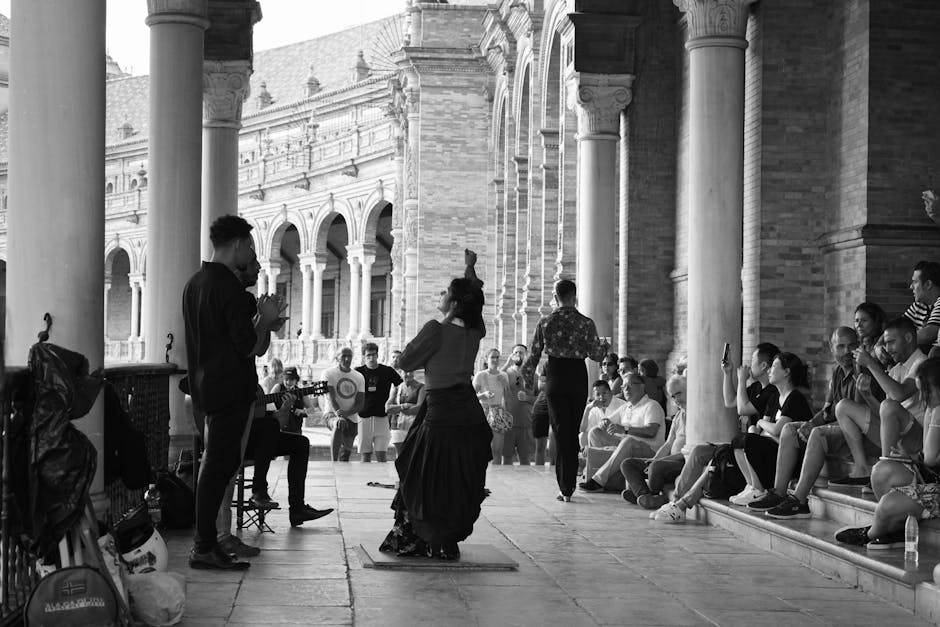
9. Spontaneous flamenco routes — Hear music in the streets and bars
Address: Recommended areas: Calle Betis (Triana), Barrio Santa Cruz, Calle San Fernando (general area)
Price: 0.00 € to listen to street performances or small bar shows; professional tablao shows are paid (generally €20–40)
Opening hours: Street performances mainly in the evening, after 20:00–23:00; bar schedules vary.
Flamenco is a living element of Seville. While professional tablaos require tickets, many small informal performances happen in bars and on plazas. Hearing a singer or guitarist in a courtyard or on an improvised stage can be free and is often the most authentic experience.
Local tips: look for bars frequented by locals rather than heavily touristy areas; respect the artists by staying quiet and not hogging the space. A small cash tip is always appreciated if you’re moved by the performance.
10. Free viewpoints and sunsets — Where to watch Seville light up
Suggested locations:
- Puente de Triana (Puente de Isabel II), Calle Betis side, 41010 Sevilla — Price: 0.00 €; Opening hours: accessible 24/7
- Paseo de Cristóbal Colón, near Torre del Oro, 41001 Sevilla — Price: 0.00 €; Opening hours: accessible 24/7
- Alameda de Hércules, Plaza de la Alameda de Hércules, 41002 Sevilla — Price: 0.00 €; Opening hours: public space open 24/7
Watching Seville at sunset is free and unforgettable. Bridges over the Guadalquivir and public vantage points offer panoramic views where the light turns the city into a mosaic of gold and ochre. Alameda de Hércules is a lively square where the nightlife gets underway and shows how Sevillians socialize after work.
Local tips: arrive 30–45 minutes before sunset to claim a good spot and enjoy the changing light. If you plan a picnic, choose a weekday to avoid the weekend crowds.
Conclusion — Enjoying Seville without breaking the bank
Seville is a city best discovered on foot, through small successive revelations, and it offers many memorable experiences with no admission fees. This top 10 brings together easy-to-reach, atmosphere-rich places: monumental squares, shaded gardens, historic neighborhoods, local markets, riverside walks and musical moments. Each spot gives you a tangible sense of Seville — its architecture, culinary traditions, festive spirit and ability to turn everyday scenes into poetic moments.
Plan your days by alternating popular sites (Plaza de España, the cathedral) with breaks in less touristy spots (Parque de María Luisa, Triana or Alameda de Hércules). The best times are often early morning for freshness and light, and late afternoon for the warm colors. Neighborhood markets and local streets offer tapas at very reasonable prices if you avoid the main tourist thoroughfares.
Finally, some practical recommendations: carry a small amount of cash (many artisans and local vendors prefer cash), check local public holidays (some places may be exceptionally closed or animated by celebrations), and embrace the Andalusian rhythm — the city really wakes up in the late afternoon and evening. Even on a tight budget, Seville has treasures around every corner — just open your eyes and walk. Safe travels and may your strolls through Seville be full of encounters, photos and tasty little discoveries!